
Summery
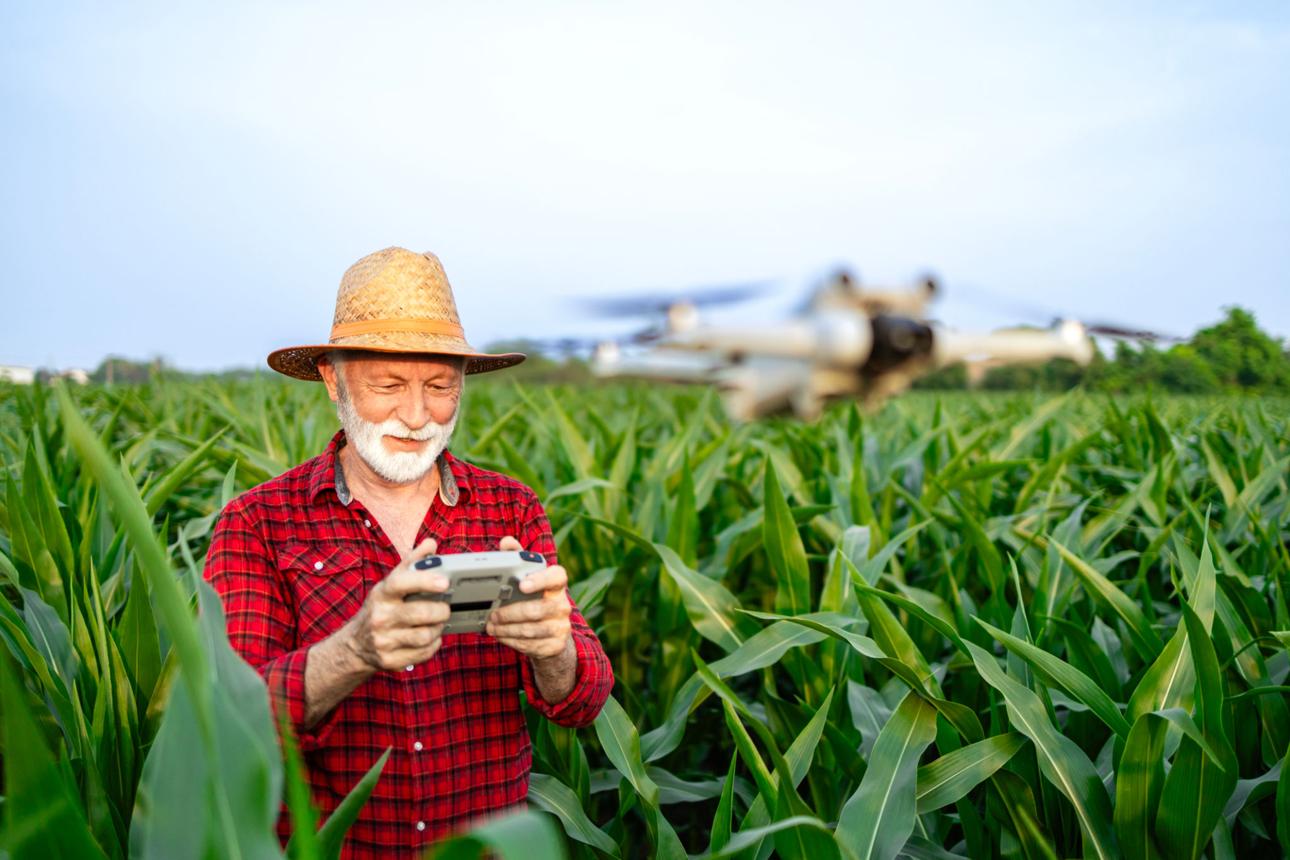
We know that the U.S. agriculture sector is rapidly adopting Agricultural Drone Technology to improve efficiency in crop monitoring, spraying, and mapping. However, drone operators must comply with regulations set by the Federal Aviation Administration (FAA) to ensure safety, avoid legal issues, and operate drones commercially.
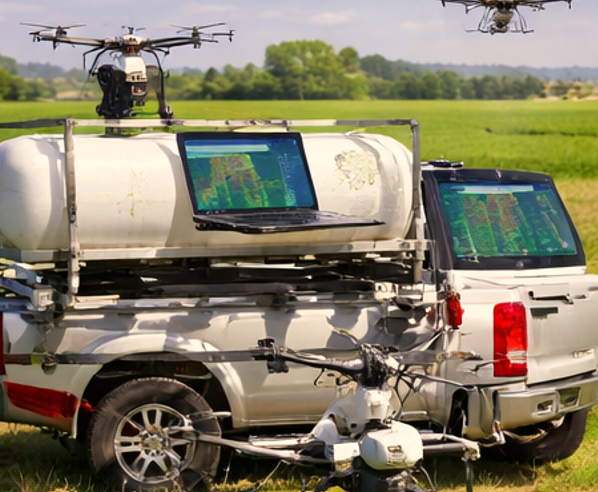
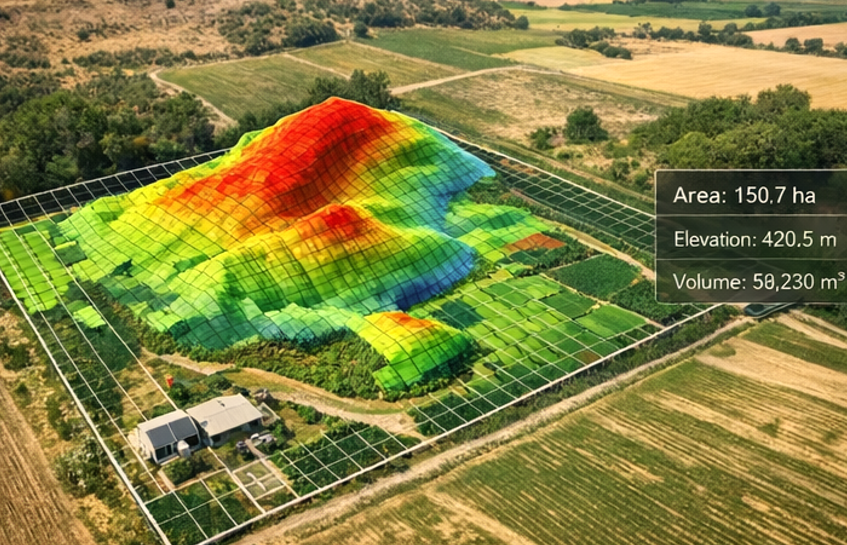
These rules are particularly important for Crop Spraying Drones and Drone Mapping Services, which often fly over large farmlands and near populated areas.
Key FAA Regulations for Agricultural Drones
| Regulation | Requirement | Purpose |
|---|---|---|
| Part 107 Remote Pilot Certification | Drone operators must hold a Remote Pilot Certificate | Ensures operator knowledge of airspace, weather, and safety |
| Maximum Altitude | 400 feet above ground level (AGL) | Prevents conflicts with manned aircraft |
| Line of Sight | Drones must remain within visual line of sight (VLOS) | Enhances safe operation and collision avoidance |
| Night Operations | Allowed only with anti-collision lights and waivers | Reduces risk during low visibility flights |
| Airspace Authorization | Required for controlled airspace (near airports) | Maintains safe integration with air traffic |
These regulations help farmers safely integrate Precision Agriculture drones into their operations without risking fines or accidents.
Drone Weight and Licensing Requirements
| Drone Type | Max Weight (kg) | Licensing Requirement | Typical Use |
|---|---|---|---|
| Small Mapping Drone | < 2 kg | Part 107 Remote Pilot Certificate | Field mapping, crop monitoring |
| Medium Crop Spraying Drone | 2 – 25 kg | Part 107 + Operational Safety Waiver | Fertilizer and pesticide spraying |
| Heavy Duty Agricultural Drone | > 25 kg | Part 107 + Special Flight Permit | Large scale spraying, industrial farm use |
Using the correct license ensures compliance with FAA regulations and allows legal operation of commercial agricultural drones.
Farm Operations Under FAA Rules
| Operation | Limitation | Best Practice |
|---|---|---|
| Field Mapping | Daytime only unless waiver granted | Schedule flights early morning for stable conditions |
| Crop Spraying | Avoid windy conditions > 10 mph | Monitor weather and use wind sensors on Crop Spraying Drones |
| Multi-Drone Operations | Must maintain safe distance between drones | Use automated software for fleet management |
| Crossing Property Lines | Must respect neighboring property airspace | Notify neighbors if spraying near property boundary |
These tables provide farmers with a quick reference for safe drone operations while maximizing crop efficiency.
Cost Considerations for Regulatory Compliance
| Compliance Requirement | Approximate Cost | Notes |
|---|---|---|
| Remote Pilot Certification | $150 | Includes exam and training materials |
| Operational Waivers | $50 – $500 | For flights beyond Part 107 limits |
| Drone Registration | $5 – $50 per drone | Required for drones > 0.55 lbs |
| Safety Equipment | $100 – $500 | Includes lights, GPS trackers, and protective gear |
Investing in compliance ensures farmers can legally operate Agricultural Drone Services while avoiding fines or insurance complications.
Benefits of Following Regulations
- Safe integration of drones into farm management operations.
- Legal eligibility for insurance coverage in case of accidents.
- Ability to operate Drone Mapping Services and Crop Spraying Drones commercially.
- Reduced risk of conflicts with neighboring airspace users.
Future Trends in U.S. Drone Regulations
| Trend | Description |
|---|---|
| AI-Powered Compliance | Software can automatically track altitude, line-of-sight, and no-fly zones |
| Automated Drone Fleets | Multiple drones operate safely under FAA-approved parameters |
| Integration with Farm Management Platforms | Flight and spray data synced with farm software to ensure compliance |
As drone technology advances, regulations are evolving to allow safer, smarter, and more efficient farming operations.
How Farmers Can Find Reliable Drone Services
Farmers looking for professional drone solutions should choose Agricultural Drone Services with certified operators, insurance, and experience in local FAA compliance.
Checkpoints:
- FAA Part 107 certified pilots
- Drone registration and safety compliance
- Proven experience in Crop Spraying Drones and Drone Mapping Services
FAQ
- Do farmers need a license to fly drones commercially?
Yes, all commercial drone operators in the U.S. must hold a Part 107 Remote Pilot Certificate issued by the FAA. - Can I fly crop spraying drones at night?
Night operations are allowed only with a waiver and anti-collision lights. Farmers should follow approved procedures. - Are there weight limits for agricultural drones?
Yes, drones under 25 kg generally require a Part 107 license; heavier drones may require special waivers. - Do drones need to stay within visual line of sight?
Yes, the FAA requires drones to remain within visual line of sight unless an approved waiver is obtained. - What are the penalties for non-compliance?
Violating FAA rules can lead to fines, suspension of drone operations, or legal liability in case of accidents.