Starting a vending machine business is a classic entry point for entrepreneurs looking for a scalable, low-overhead venture. While many people view it as a completely passive source of wealth, the reality is that success depends on smart logistics, high-traffic placements, and consistent maintenance. If you are willing to put in the initial work, a vending route can grow into a significant income stream.
Step 1: Choose Your Vending Niche
Not all vending machines are created equal. Your choice of equipment will dictate your customer base and your maintenance schedule. Most new operators choose from one of three primary categories:
- Bulk Vending: These are the mechanical machines that dispense gumballs, candy, or toys. They are inexpensive to buy and easy to maintain but have lower individual profit margins.
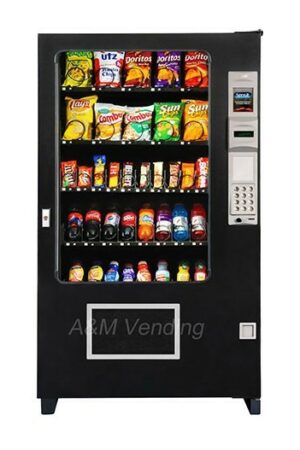
- Snack and Soda Vending: These are the standard electronic machines found in breakrooms. They require more power and more frequent restocking but generate higher revenue.
- Specialty Vending: This includes everything from hot coffee and fresh sandwiches to electronics or PPE. These machines are high-cost but can be extremely lucrative in the right environment.
Step 2: Establish Your Legal Structure
Before purchasing equipment, you need to make your business official. Most operators start as a sole proprietorship or LLC. Forming an LLC is generally recommended to protect your personal assets from business liabilities.
You will also need to apply for a federal Employer Identification Number (EIN) and check your local state laws regarding a resale certificate. This certificate allows you to buy your inventory (snacks and drinks) tax-free, as you will be collecting sales tax from the end consumer.
Step 3: Secure the Right Locations
In the vending world, location is everything. You want high-foot-traffic locations where people are often waiting or looking for a quick energy boost. However, simply having people nearby isn’t enough; you need a captive audience.
| Location Type | Why It Works | Best Product Mix |
|---|---|---|
| Warehouses/Factories | Long shifts, physically demanding work. | Energy drinks, protein bars, hearty snacks. |
| Office Buildings | Daily consistent traffic from employees. | Premium coffee, healthy snacks, cold soda. |
| Laundromats | High wait times with few alternatives. | Candy, soda, laundry detergent pods. |
Step 4: Source Your Vending Machines
You have three main options when acquiring equipment: buying new, buying used, or purchasing an existing route. New machines come with warranties and cashless payment systems already installed, which can increase sales by up to 30%. However, refurbished machines are often more cost-effective for those just starting out.
Before you commit to a purchase, it is vital to understand the vending machine’s monthly earnings potential for that specific machine type. Your equipment cost should always be viewed in the context of how quickly the machine can pay for itself.
Step 5: Sign a Commission Agreement
Once you have found a business owner willing to host your machine, you need a commission-based agreement. This contract should outline:
- The percentage of sales you will pay the property owner (typically 5-15%).
- The length of the contract.
- Who is responsible for providing electricity and insurance.
- Terms for machine removal if sales goals aren’t met.
Step 6: Stocking and Inventory Management
Your profit margins depend on efficient inventory management. You should buy in bulk from wholesale clubs or specialized distributors. Track which items sell the fastest and don’t be afraid to diversify your product mix based on seasonal trends—for example, more water and Gatorade in the summer, and more chocolate or hot beverages in the winter.
Step 7: Maintenance and Scaling
Consistency is the hallmark of a successful vending business. A machine that is out of order or out of stock is a machine that is losing money. Perform preventative maintenance by cleaning coils and testing bill validators every time you restock. As you build a steady cash flow, reinvest your profits into additional machines to expand your route and increase your semi-passive income.
Frequently Asked Questions
How much is the initial investment for a vending machine business?
Depending on whether you buy used or new, you can start with as little as $1,500 for a used snack machine and initial inventory. However, a modern machine with card capabilities usually starts around $3,500.
Is a vending machine business actually passive?
It is semi-passive. While you don’t have to be there to make the sale, you are responsible for the physical labor of restocking, cleaning, and repairing the machines.
Do I need a special license to operate?
Most states require a standard business license and a sales tax permit. Some municipalities may also require a specific “vending machine permit” for each machine placed in public areas.
