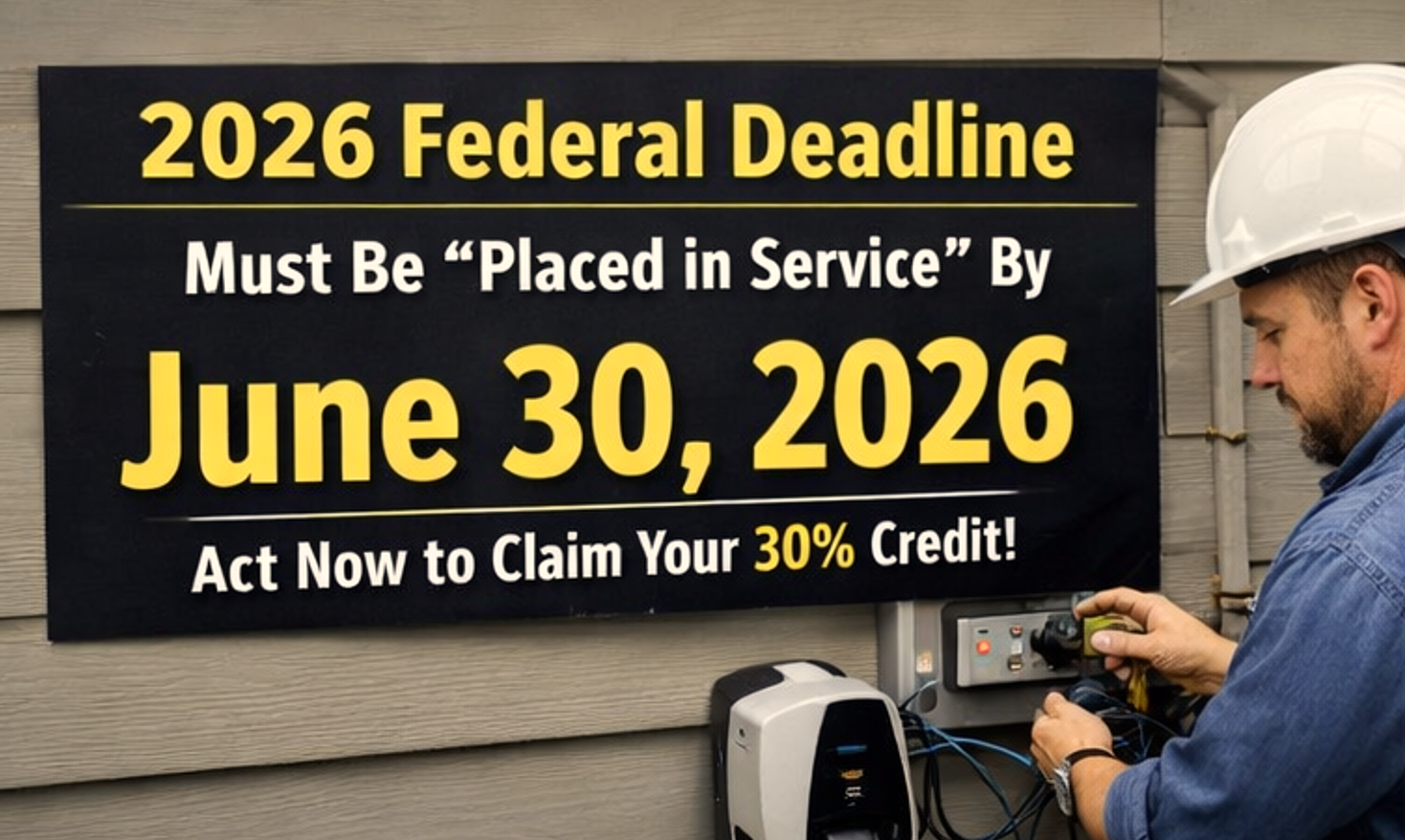

The One Big Beautiful Bill Act (OBBBA), also known as Public Law 119-21, has completely redefined federal incentives for electric vehicle (EV) charging infrastructure. Many older sources still reference a 2032 expiration, but in reality, the federal 30% credit now ends on June 30, 2026. Homeowners and businesses must act quickly to claim their savings before the deadline.
This guide explains everything you need to know, from location eligibility and hardware selection to installation rules and tax filing, while highlighting certified installers you can trust.
1. Understanding the 2026 Federal Deadline
To qualify for the 30% federal tax credit, your EV charger must be placed in service—fully installed and operational—by June 30, 2026. Purchasing the unit alone does not qualify you for the incentive.
Key Points About the Deadline
- Placed in Service Rule: The charger must be ready to charge an EV; delivery or storage is insufficient.
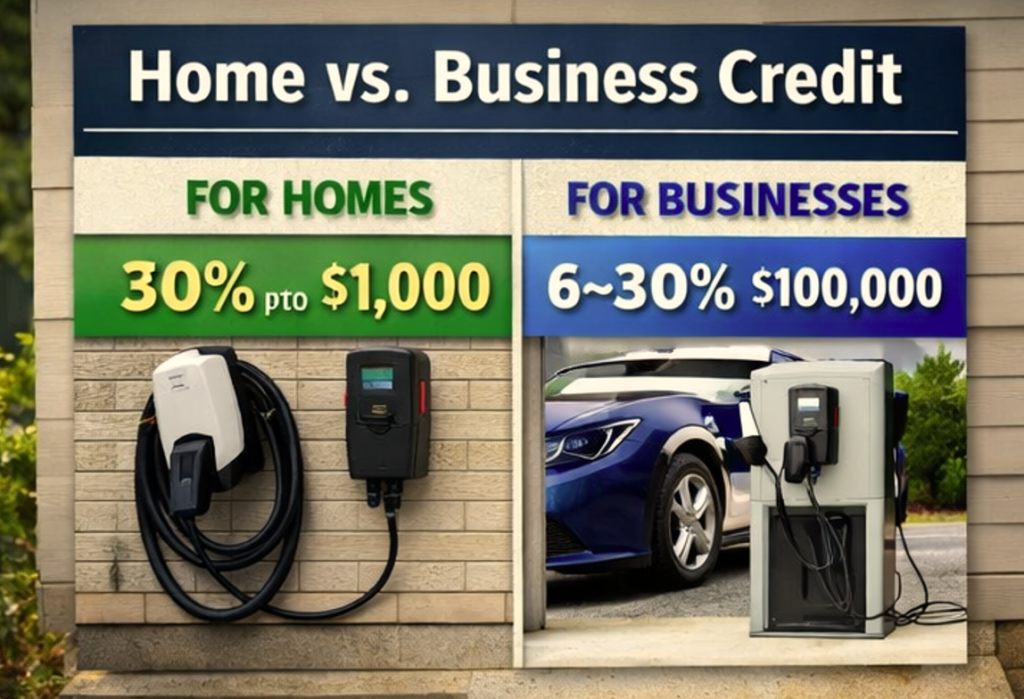
- Credit Cap: Homeowners can claim up to $1,000, while businesses may claim up to $100,000 if labor rules are followed.
- Legal Reference: Always mention Public Law 119-21 when referencing the credit to enhance content authority.
Tip: Start installations at least 4–6 weeks before the deadline to allow for permits and inspections.
2. Location Eligibility & Census Tracts
The OBBBA 30C Tax Credit is not universal. Only certain properties qualify:
- Eligible Census Tracts: Primarily low-income or non-urban areas.
- Alternative Fuel Refueling Property: Your charger must serve a residence or business location in these areas.
Step-by-Step Eligibility Check
- Visit the 30C Tax Credit Eligibility Locator.
- Enter your address or parcel ID.
- Confirm the census tract is listed as eligible.
- For visual confirmation, cross-check with the 2020 Census Tract Maps (updated from 2010).
Local Tip: Some high-density urban neighborhoods may be excluded even if EV adoption is high. Use our directory to find nearby eligible installers who understand local rules.
3. Home vs. Business Requirements
Home Installations
- Maximum credit: $1,000
- Must be at the primary residence
- Covers hardware, installation, and related labor
- Eligible equipment: Level 2 chargers preferred
Business Installations
- Base credit: 6%, can jump to 30% if labor requirements are met
- Maximum credit: $100,000
- Must comply with prevailing wage and apprenticeship rules
- Eligible properties: Commercial parking lots, fleet depots, hotels, and multi-unit dwellings
Action Step: Consult our certified business installers to ensure compliance and maximize your credit.
4. Hardware & Installation Discovery
Selecting the right Level 2 EV charger is critical. Below are the top-rated 2026 units:
| Model | Key Features | Price | Best Use |
| ChargePoint Home Flex | J1772 + NACS compatibility, 50A output, smart app scheduling | $599 | Homes with multiple EV types |
| Emporia Level 2 Charger | Integrated load management, 40A output, prevents breaker trips | $450 | Older panels, limited electrical capacity |
| JuiceBox 32 Smart EV Charger | 32A Wi-Fi smart charging, off-peak scheduling | $295 | Standard residential garages |
Why Level 2?
- Faster charging than Level 1
- Compatible with most EVs on the market
- Reduces wait time and increases convenience
Quick Tip: Always hire a certified installer from our directory to ensure proper wiring and safety compliance.
Rad Also: Tax Credits for Electric Vehicles and Charging Infrastructure
5. Filing Your 2026 Tax Claim
To receive your credit:
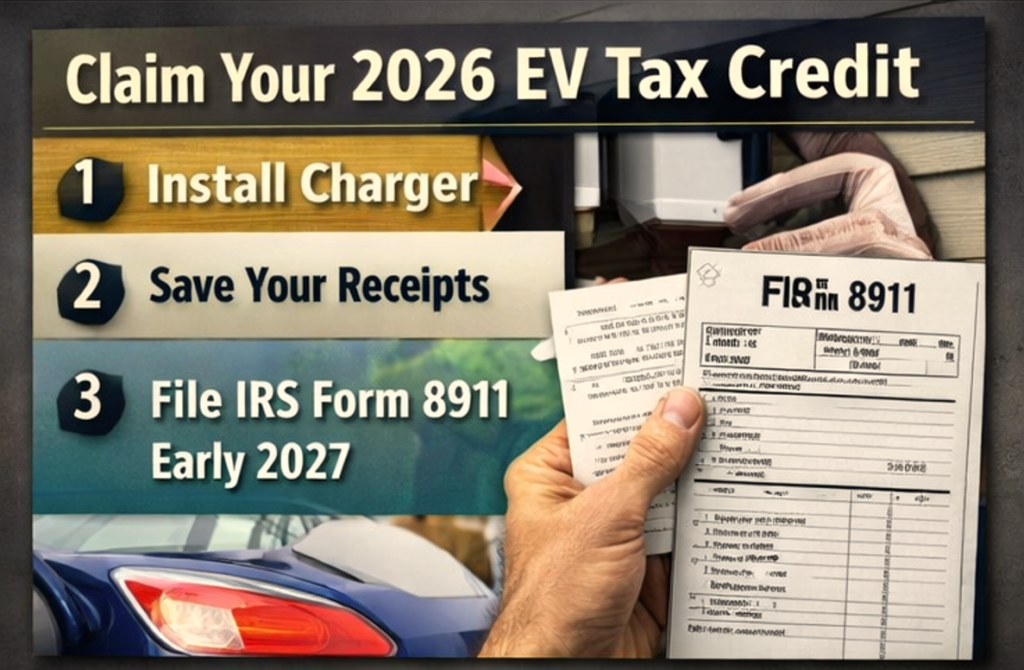
- Document Everything: Keep invoices, permits, and installer certifications.
- IRS Form 8911: Required for claiming the credit with your 2026 federal tax return (filed in early 2027).
- Proof of Eligibility: Save screenshots of your eligible census tract from the 30C locator.
Step-by-Step Filing Tips
- Include hardware cost + installation
- Check for additional state incentives
- Use our directory to connect with installers familiar with OBBBA requirements
Pro Tip: Businesses may need additional documentation if claiming the 30% enhanced credit for apprenticeship compliance.
6. Maximizing Your Savings: Tips & Tricks
- Act Early: June 30, 2026, is non-negotiable. Permits can take weeks.
- Combine Incentives: Federal, state, and utility rebates may stack.
- Smart Scheduling: Charge during off-peak hours to save on electricity.
- Certified Installers Only: Using uncertified installers may invalidate your credit.
Our directory highlights Business Discovered Verified installers to save you time and risk.
7. Local Installer Discovery
We’ve compiled trusted EV installers by city and state. Examples:
- Los Angeles, CA: EVTech Solutions – 20 years experience, Level 2 certified
- Austin, TX: GreenCharge Experts – specializes in fleet installations
- Miami, FL: SunVolt Installers – fast residential installs, OBBBA-compliant
Action: Use our city pages to find verified installers in your area and claim your credit without delays.
8. Summary of 2026 EV Credit Benefits
| Property Type | Credit % | Max Credit | Requirements |
| Home | 30% | $1,000 | Primary residence, Level 2 charger installed |
| Business | 6–30% | $100,000 | Prevailing wage, apprenticeship compliance, Level 2 charger installed |
Final Advice: Choose certified hardware, verify your location, and hire a verified installer to fully leverage Public Law 119-21 before June 30, 2026.
9. Common Questions (FAQ)
Q1: Can I install the charger myself?
- Only if you are licensed and certified. Otherwise, your credit may be denied.
Q2: Are all EV chargers eligible?
- Only Level 2 chargers for alternative fuel property count. Check the OBBBA-approved list.
Q3: Can I claim both home and business credits?
- Yes, if separate properties are eligible. Credits are property-specific.
