
Introduction
Electric vehicle adoption continues to grow quickly across China. The country leads the global EV market and already has millions of electric cars on the road.
This rapid growth has increased the demand for reliable charging infrastructure. Many drivers now prefer charging their vehicles at home instead of relying only on public stations.
As EV ownership expands in cities such as Shanghai, Beijing, and Shenzhen, residential charger installation has become a common home upgrade.
EV charger installation services are now widely offered by licensed electricians and energy service providers. Most homeowners want a safe and convenient charging system installed in their garage or parking space.
With strong government support and a rapidly expanding EV market, EV charger installation is becoming a normal part of home electrical upgrades across China.
EV Charging Growth in China
China remains the global leader in electric vehicle adoption and charging infrastructure.
By 2026, the country has installed millions of public and private charging units. It accounts for the largest share of EV chargers worldwide.
Government policies encourage both residential and commercial charger installations. National energy plans also focus on expanding high-speed charging networks across urban areas and highways.
Major Chinese cities continue building large charging hubs. These hubs support the growing number of electric vehicles entering the market each year.
Electric vehicle manufacturers such as BYD, NIO, and Tesla are also expanding charging networks. Their investments help increase charger availability across the country.
Because of this rapid expansion, EV charger installation demand continues to rise for residential buildings and private parking spaces.
Home EV Charger Installation in China
Home charging is now one of the most common solutions for EV owners in China.
Most homeowners prefer charging overnight. This ensures the vehicle is ready for daily travel.
Two charging options are usually available.
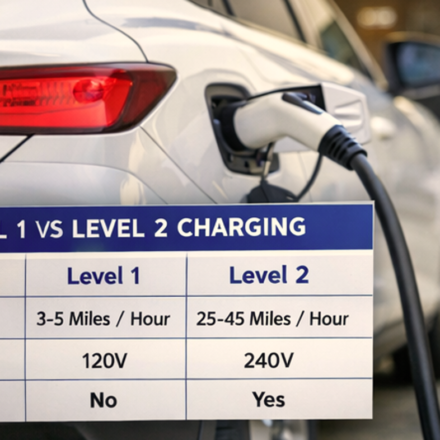
Level 1 chargers use a standard household outlet. These chargers are slow and mainly used as temporary solutions.
Level 2 charger installation China electricians provide is the most common option. These chargers use a higher voltage circuit and deliver faster charging speeds.
A Level 2 charger can recharge most electric vehicles overnight. This makes it ideal for daily commuting.
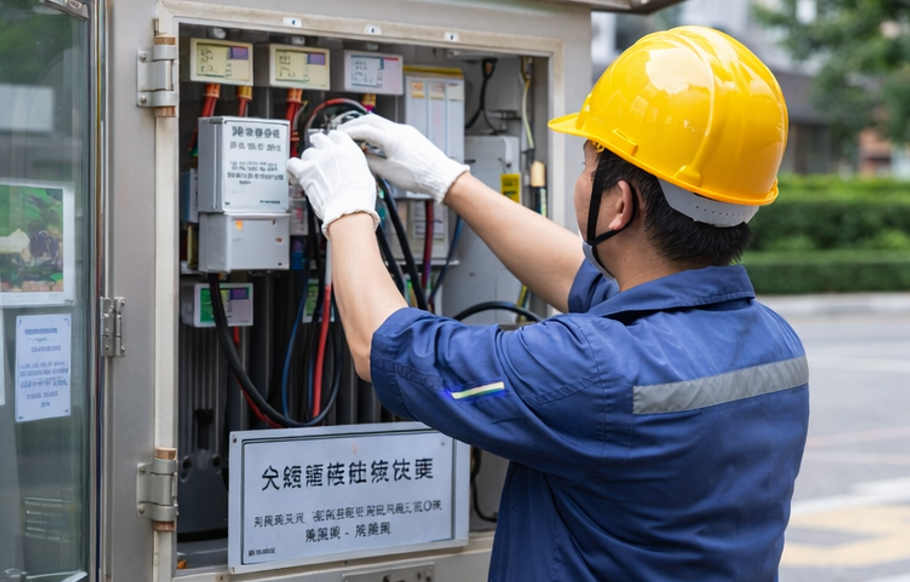
Professional electricians usually install the charger near a parking space or inside a residential garage.
Apartment buildings sometimes require approval from property management before installation.
National Installation Rules and Electrical Standards
EV charger installation in China must follow strict national regulations. On January 1, 2026, the government began enforcing new EV energy efficiency laws under the GB 36980.1-2025 standard.
This regulation requires most electric vehicles to consume no more than 15.1 kWh per 100 km. The goal is to improve energy efficiency across the national EV fleet.
Charging equipment must also follow the updated GB/T 33594-2025 cable safety standard. This rule regulates charging cable temperature resistance and electrical insulation.
Electricians must ensure that all installed chargers use certified connectors under the GB/T 20234 plug compatibility standard.
These safety standards protect homes from overheating cables and electrical faults during overnight charging.EV charger installation must follow national electrical standards in China.
Installations typically follow electrical safety guidelines issued by the State Grid Corporation and national building authorities.
- Electricians must ensure the following requirements are met.
- Electrical wiring must support the charging load.
- The electrical panel must have sufficient capacity.
- Grounding systems must meet safety standards.
Installers must also follow equipment certification requirements. Charging equipment should meet national product safety standards.
Only trained electricians or certified installation companies should install EV charging systems.
This ensures the installation operates safely and complies with electrical regulations.
EV Charger Permits and Approvals in China
Permit requirements can vary depending on the city and type of property.
In many residential buildings, EV charger installation requires a three-way agreement.
This agreement involves three parties:
• the homeowner
• the property management company
• the local electricity provider (usually State Grid)
The agreement confirms that the building electrical system can support the new charger installation. It also ensures the installation follows safety regulations and property management rules.
Electricians usually help homeowners prepare these documents before installation begins.
In many residential communities, homeowners must first obtain approval from property management. This is common in apartment complexes.
Some cities require electrical notification before installation. This helps ensure the building’s electrical system can support additional load.
Electricians typically assist homeowners with documentation and approval processes.
Local electricity providers may also inspect the installation before activation.
After installation, the electrician usually provides a compliance certificate confirming that the charger meets safety standards.
EV Charger Installation Cost in China
The cost of EV charger installation in China depends on several factors.
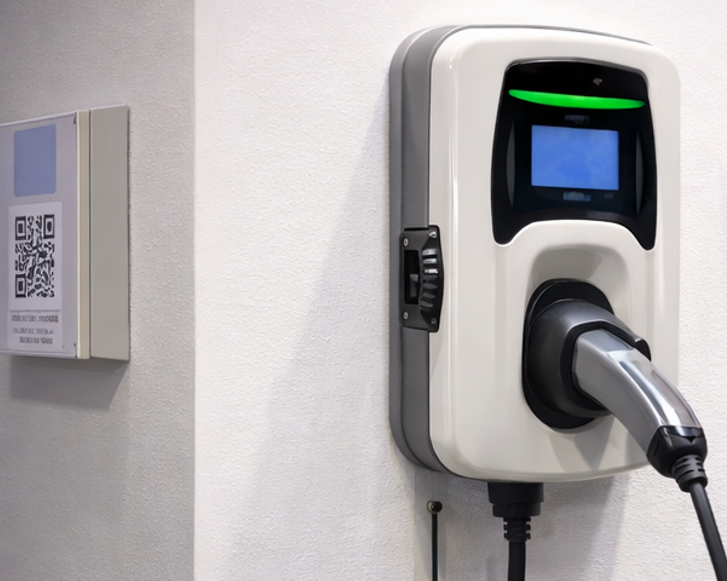
In many large Chinese cities such as Shanghai and Beijing, utility providers install a dedicated smart meter for EV chargers. These meters track electricity used specifically for vehicle charging.
Smart meters allow homeowners to access discounted overnight electricity rates. In some regions, nighttime charging costs around ¥0.3 per kWh, which is significantly cheaper than daytime electricity prices.
This system encourages drivers to charge vehicles during off-peak hours and reduces pressure on the electrical grid.
These include charger type, wiring distance, and electrical panel upgrades.
Homes with modern electrical systems usually require fewer modifications. This reduces the installation cost.
Older buildings sometimes require wiring upgrades or additional electrical protection systems.
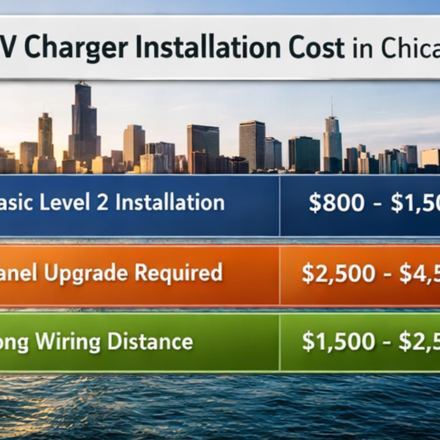
Typical EV charger installation costs in China during 2026 fall within the following ranges.
| Installation Type | Typical Cost Range |
|---|---|
| Basic home charger installation | ¥3000 – ¥6000 |
| Outdoor charger installation | ¥4000 – ¥8000 |
| Installation with panel upgrade | ¥7000 – ¥12000 |
Costs may increase if the parking space is far from the electrical panel.
Labor prices also vary between cities.
EV Incentives and Charging Rebates
China continues supporting EV adoption through national and regional incentives.
Several government programs encourage electric vehicle usage and charging infrastructure development.
Local governments often provide installation subsidies for residential chargers.
Some energy providers also offer reduced electricity rates for nighttime charging.
Many cities promote smart charging systems that allow homeowners to schedule charging during off-peak hours.
These incentives help reduce electricity costs and support grid stability.
Policies may change depending on the city, so homeowners should confirm local programs before installation.
Major EV Charger Brands Used in China
Several companies manufacture EV chargers used across China.
China is also developing next-generation charging systems. In March 2026, BYD introduced its 1.5 MW Flash Charging technology, designed for ultra-fast commercial charging stations.
While this technology is mainly used in public charging hubs, similar innovations are gradually influencing residential charging equipment.
Another emerging solution is CATL’s Choco-Swap battery system, which allows EV drivers to exchange batteries at automated stations instead of waiting for charging.
Although battery swapping is mostly used in major cities, home charging remains the most practical solution for daily vehicle use.
Local manufacturers dominate the market due to strong domestic production.
Common charger brands include:
- Star Charge
- TELD
- NIO Power
- Tesla Wall Connector
- BYD charging equipment
These companies provide residential chargers, commercial charging systems, and fast charging networks.
Many EV manufacturers also provide proprietary chargers designed for their vehicles.
Installers typically recommend chargers compatible with the homeowner’s vehicle model.
Cities with High EV Charger Installation Demand
EV charger installation demand is strongest in large metropolitan areas.
Cities with high EV adoption continue expanding residential charging systems.
Popular cities include:
EV Charger Installation Beijing
EV Charger Installation Shanghai
EV Charger Installation Shenzhen
EV Charger Installation Guangzhou
EV Charger Installation Hangzhou
Homeowners in these cities often install chargers in private parking spaces or residential garages.
Rapid EV adoption in urban areas is driving continued installation growth.
Common Mistakes Homeowners Make
Some homeowners encounter issues when installing EV chargers.
One common mistake is skipping approval from property management. This can delay installation.
Another mistake is ignoring electrical panel capacity. Older buildings may require upgrades before installing a charger.
Some buyers also choose chargers that are incompatible with their vehicle.
Poor charger placement can create inconvenience if the cable cannot reach the vehicle easily.
Working with an experienced installer helps avoid these problems.
Practical Installation Tips
Planning the installation carefully can reduce cost and improve convenience.
Homeowners should install the charger close to the parking area.
Shorter cable distances reduce installation complexity.
Choosing a smart charger allows users to monitor electricity usage and schedule charging times.
Many homeowners also install weather-resistant chargers for outdoor parking areas.
Planning for future EV upgrades is also important. Higher capacity wiring can support faster charging later.
Home Installation Checklist
Before installing an EV charger, homeowners should review the following steps.
Confirm parking location near the home.
Check electrical panel capacity.
Choose a charger compatible with the vehicle.
Verify electrician certification.
Confirm property management approval if required.
Review available utility incentives.
Prepare electrical wiring route from panel to charger location.
Completing these steps helps ensure a smooth installation process.
Frequently Asked Questions
How long does EV charger installation take in China
Most residential installations take three to five hours. Complex wiring setups may take a full day.
Can apartment residents install EV chargers
Yes, but approval from property management is usually required before installation.
Do EV chargers increase electricity bills significantly
Electricity usage increases slightly, but charging at home is still cheaper than fuel costs.
What type of charger is most common in China
Level 2 chargers are the most common option because they provide faster overnight charging.
Do homeowners need an inspection after installation
Many cities require inspection or certification before the charger becomes operational.
EV Charging Infrastructure Outlook
China continues expanding its EV charging network rapidly. Government plans aim to support millions of additional chargers across residential communities and commercial areas.
This growth will make EV ownership even more convenient for homeowners across the country.
Conclusion
Electric vehicle adoption continues growing rapidly across China. As more drivers switch to electric mobility, residential charging systems are becoming essential for daily convenience.
EV charger installation allows homeowners to charge vehicles safely and efficiently at home. With Level 2 chargers providing fast overnight charging, many drivers prefer private charging over public stations.
Government incentives, growing infrastructure, and strong EV market demand are encouraging more residential installations.
Homeowners planning to buy an electric vehicle should consider installing a home charger early. Preparing the electrical system in advance helps avoid delays and ensures reliable daily charging.
With EV adoption accelerating nationwide, EV charger installation will remain an important upgrade for modern homes across China.