
Introduction
Electric vehicle ownership is rising fast across Birmingham. More drivers are switching to EVs to reduce fuel costs and emissions.
As charging demand grows, many homeowners now prefer charging at home instead of relying on public stations. Home charging offers convenience and reliable overnight charging.
Because of this shift, ev charger installation birmingham services are becoming more common across neighborhoods such as Edgbaston, Harborne, and Sutton Coldfield.
Local electricians report steady growth in requests for residential charging stations. Many homeowners want a Level 2 charger installed in their garage or driveway.
With government incentives still available in 2026 and electricity costs lower than petrol, installing a charger at home is becoming a practical decision for many Birmingham residents.
Clear Explanation of EV Charger Installation
Electric vehicles can charge using two common home charging options.
Level 1 chargers plug into a standard wall outlet. They are slow and usually add only a few miles of range per hour.
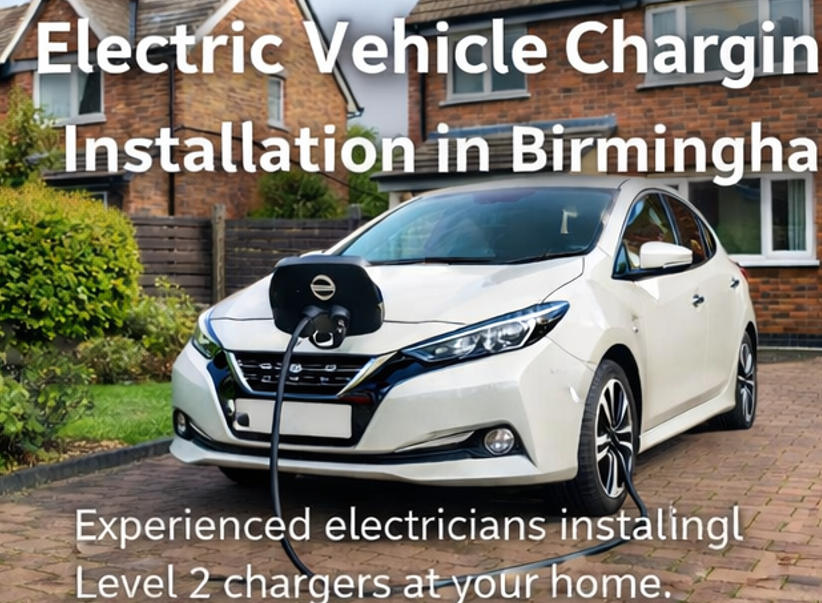
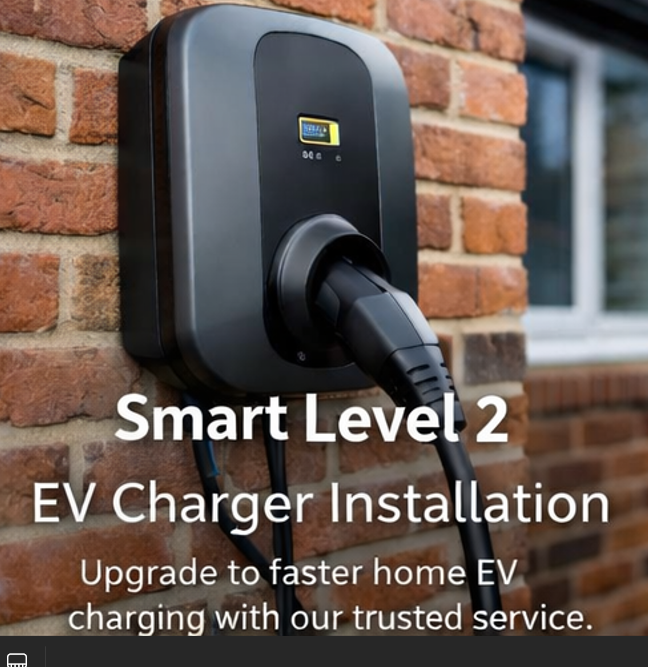
Level 2 chargers use a dedicated 240-volt circuit. These chargers are much faster and can fully charge most vehicles overnight.
In Birmingham, most homeowners choose Level 2 charger installation Birmingham electricians provide.
Level 2 charging works better for commuters who drive daily. It also supports newer EV models with larger batteries.
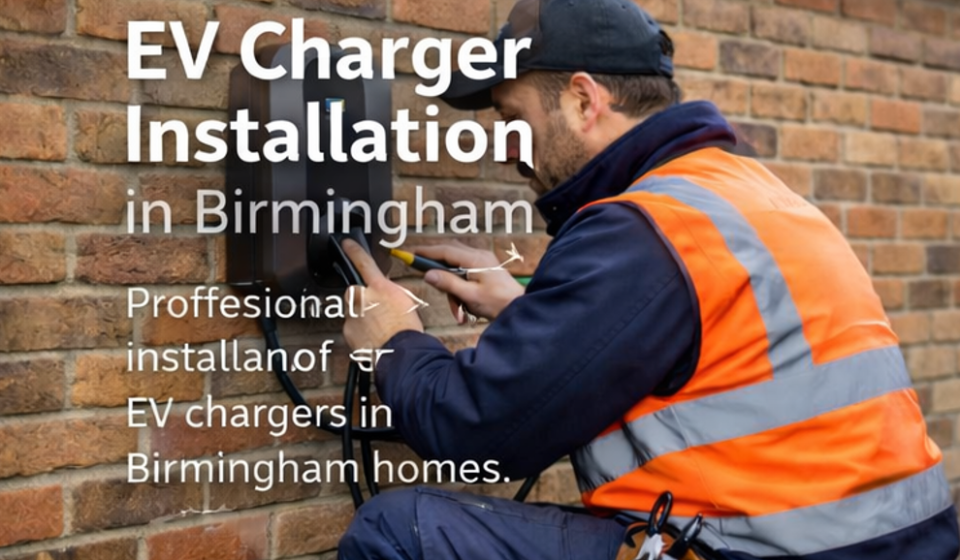
A professional EV charger electrician Birmingham installs the charger, adds a dedicated circuit, and ensures the system meets UK electrical safety standards.
For most homes, installation takes only a few hours once permits and approvals are completed.
Local Requirements in Birmingham
Home charger installation must follow Birmingham electrical rules and UK wiring standards. and Find EV Charger Installation services near Birmingham.
Electrical Panel Capacity
Most homes need enough spare capacity in the consumer unit. Many Level 2 chargers require a 32-amp circuit.
Older homes in Birmingham may need a consumer unit upgrade before installation.
An electrician typically checks:
- available breaker space
- load capacity
- grounding systems
EV Charger Permit Birmingham
In many cases, installation requires notifying building control or following local planning rules.
Most electricians handle the EV charger permit Birmingham process through Part P electrical compliance requirements.
This ensures the installation meets safety regulations.
Inspection Requirements
After installation, the system must comply with UK electrical testing standards.
The installer provides certification showing the work meets regulations. This certificate may be required for property insurance or resale.
Electrician Licensing
Only qualified electricians registered with organizations such as NICEIC or NAPIT should perform installations.
Homeowners should always verify credentials before hiring a contractor.
Top EV Charger Installers in Birmingham
| Company Name | Services Offered | Get Directions | Key Highlights | Website |
|---|---|---|---|---|
| Impra Charge | Home & Business Installations | Unit 5C, Spence Mills, Bramley, Leeds LS13 3HE | OZEV-approved; NICEIC & NAPIT members; follows IET Code of Practice. | Impra Charge |
| DP Electrical Specialists | Residential & Commercial EV | Leeds & Surrounding Yorkshire Areas | Fast, efficient service; uses high-quality equipment from reputable brands. | DP Electrical |
| Proelectric Electrical Solutions | Domestic EV Charging | 48 Eastdean Drive, Leeds, LS14 1HG | Highly rated local specialist; handles full domestic electrical surveys. | Proelectric |
| Martin Day Electricians Ltd | Domestic & Commercial | Castleton Mill, Castleton Close, Leeds, LS12 2DS | NICEIC-certified; expert in both home and business EV point installs. | Martin Day |
| Voltco | Electrical & EV Specialist | Leeds & West Yorkshire Region | Known for transparent pricing and professional communication. | Voltco |
| Pure-EV Ltd | Home Charging Solutions | Wharfebank Mills, Otley, Leeds, LS21 2EJ | Specializes in clean, aesthetic installations for modern homes. | Pure-EV |
Step by Step EV Charger Installation Process
in Birmingham
The installation process usually follows several simple steps.
Electrical Panel Inspection
An electrician visits the property to inspect the consumer unit and determine capacity.
They also check where the charger should be mounted.
Permit or Notification
The installer submits electrical notification paperwork under Part P regulations.
This ensures the installation complies with local electrical rules.
Circuit Installation
A new 240-volt circuit is run from the consumer unit to the charger location.
This step includes installing safety breakers and protective devices.
Charger Mounting
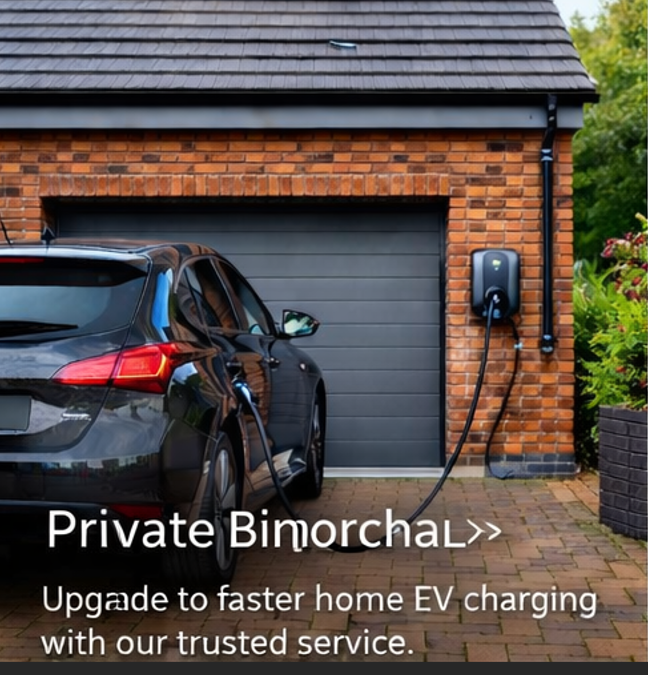
The charging unit is mounted on the wall inside the garage or outside near the driveway.
Weather-rated chargers are used for outdoor installations.
Final Testing and Certification
The electrician tests the system and provides certification confirming compliance with UK wiring standards.
The charger is now ready for daily use.
Are looking for location specific rules and rebates, you can also explore our detailed city installation guides:
- Maryland EV Charger Installation Guide
- EV Charger Installation Austin Guide
- EV Charger Installation Denver Guide
EV Charger Installation Cost Birmingham
The EV charger installation cost Birmingham homeowners pay varies depending on the property layout and electrical upgrades needed.
Typical installation prices in 2026 range between £800 and £2,000.
Several factors influence the final price.
- distance between consumer unit and charger
- electrical panel upgrades
- outdoor installation requirements
- permit or certification costs
Typical Installation Cost Table
| Installation Type | Typical Cost Range |
|---|---|
| Basic garage installation | £800 – £1,200 |
| Outdoor wall installation | £1,000 – £1,500 |
| Installation with panel upgrade | £1,500 – £2,000+ |
Homes with modern electrical systems usually fall within the lower range.
Older Birmingham properties may require upgrades that increase installation cost.
Local Incentives and Rebates
Several incentives still help reduce installation costs in 2026.
UK Government EV Chargepoint Grant
The UK government offers grants for eligible homeowners and landlords installing home chargers.
These grants typically cover a portion of installation costs.
Federal Tax Credit Equivalent Programs
While the UK does not use US-style tax credits, some energy programs offer financial incentives for smart chargers.
Utility Company Programs
Energy providers such as British Gas and Octopus Energy sometimes offer reduced electricity rates for EV charging during off-peak hours.
Some utilities also provide installation rebates or charger discounts.
Homeowners should check with their electricity provider before scheduling installation.
Common Mistakes Homeowners Make in Birmingham
Many homeowners make avoidable mistakes when installing EV chargers.
Skipping Permits
Some residents attempt installation without proper notification or certification.
This can cause problems during home inspections or insurance claims.
Choosing the Wrong Charger
Some buyers choose cheaper chargers that do not support smart charging features.
Modern chargers allow energy scheduling and remote monitoring.
Ignoring Panel Capacity
Older homes may not support Level 2 charging without upgrades.
Ignoring this issue can create safety risks.
Poor Charger Placement
Installers sometimes place chargers too far from parking areas.
This creates inconvenience and cable strain.
Practical Installation Tips for Birmingham Homes
Many Birmingham homes have unique layouts that affect charger placement.
Terraced houses often benefit from driveway installations near front parking areas.
Detached homes usually install chargers inside garages for weather protection.
Consider installing the charger slightly higher on the wall to protect it from water exposure.
Choose a smart charger that can schedule overnight charging during lower electricity rates.
If planning future EV purchases, install wiring that supports higher charging capacity.
This avoids expensive upgrades later.
Home Installation Checklist
Before scheduling home EV charger installation Birmingham homeowners should review several items.
- confirm driveway or garage parking location
- check consumer unit capacity
- choose a compatible Level 2 charger
- verify electrician certification
- review available rebates or incentives
- confirm permit or electrical notification requirements
Completing these steps helps ensure a smooth installation process.
FAQ About EV Charger Installation Birmingham
How long does EV charger installation take in Birmingham?
Most installations take two to four hours once permits and electrical inspection are complete.
More complex installations may take a full day.
Do I need planning permission for a home EV charger?
Most residential chargers do not require planning permission.
However electrical compliance notification under Part P regulations is required.
Can older Birmingham homes install EV chargers?
Yes, but some older homes need consumer unit upgrades or additional electrical capacity.
An electrician inspection will determine this.
What is the average EV charger installation cost Birmingham homeowners pay?
Most homeowners pay between £800 and £1,500 for a standard installation.
Costs increase if panel upgrades are needed.
Should I install the charger inside the garage or outside?
Garage installations offer better protection.
Outdoor installations are common if the driveway is used for parking.
Weather-rated chargers work well in both situations.
Conclusion
Electric vehicle adoption continues to grow across Birmingham. As more residents switch to EVs, home charging is becoming an essential upgrade for many households.
Professional ev charger installation birmingham services ensure chargers are installed safely and meet electrical regulations. With faster Level 2 charging and convenient overnight power, homeowners gain reliable daily charging without visiting public stations.
Installation costs remain manageable, especially with available grants and energy provider incentives. Demand for installers is expected to increase through 2026 as EV ownership rises.
Homeowners considering a charger should begin planning early. Check electrical capacity, review incentives, and contact a qualified electrician to start the installation process.
Installing a home EV charger today can prepare your Birmingham home for the future of transportation.