
Verified by a licensed Texas master electrician. Updated to reflect 2026 City of Austin electrical code amendments and federal tax credit deadlines.
Electric vehicles are now common across Central Texas neighborhoods. More homeowners are planning ev charger installation austin projects as daily driving shifts electric. Austin has specific permit systems, rebate caps, and inspection standards that affect your total cost. Missing one detail can delay approval or cost you available incentives. This 2026 guide explains requirements, real pricing, deadlines, and how to avoid mistakes.
Must Read: EV Charger Installation Denver Homeowners Guide for 2026
Why Are More Homeowners Choosing EV Charger Installation Austin
Austin continues to lead Texas in EV adoption. Public charging stations are expanding, but demand is rising faster.
Home charging solves three problems:
- Daily convenience
- Lower per mile cost
- Charging availability at night
Most drivers prefer installing a Level 2 system at home instead of relying on public stations.
Home ev charger installation austin projects also improve resale appeal. Buyers increasingly search for homes with pre installed EV infrastructure.
What Does Austin Require Before Installing a Home EV Charger
Installing a Level 2 charger requires electrical planning and city approval.
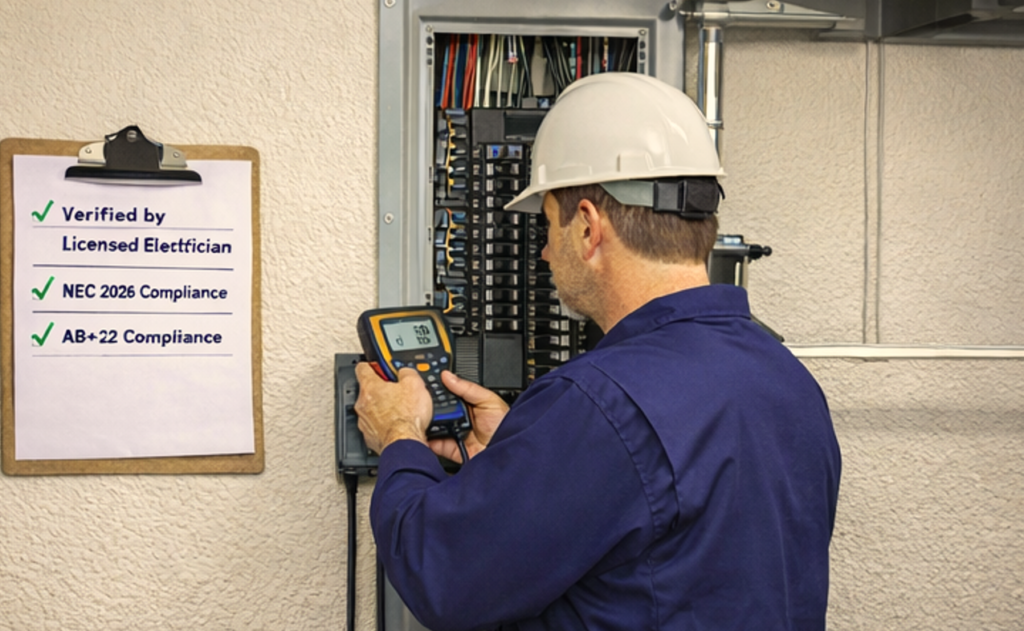
Electrical Panel Capacity and NEC 2026 Load Calculation
Austin follows the NEC 2026 Code for residential electrical installations. A load calculation must confirm your panel can support a continuous EV load.
Most Level 2 chargers require:
- 240 volt dedicated circuit
- 40 to 60 amp breaker
- Continuous load calculation at 125 percent
Homes with 200 amp panels usually qualify easily. Older 100 amp service may require upgrades.
A licensed ev charger electrician austin will perform this calculation.
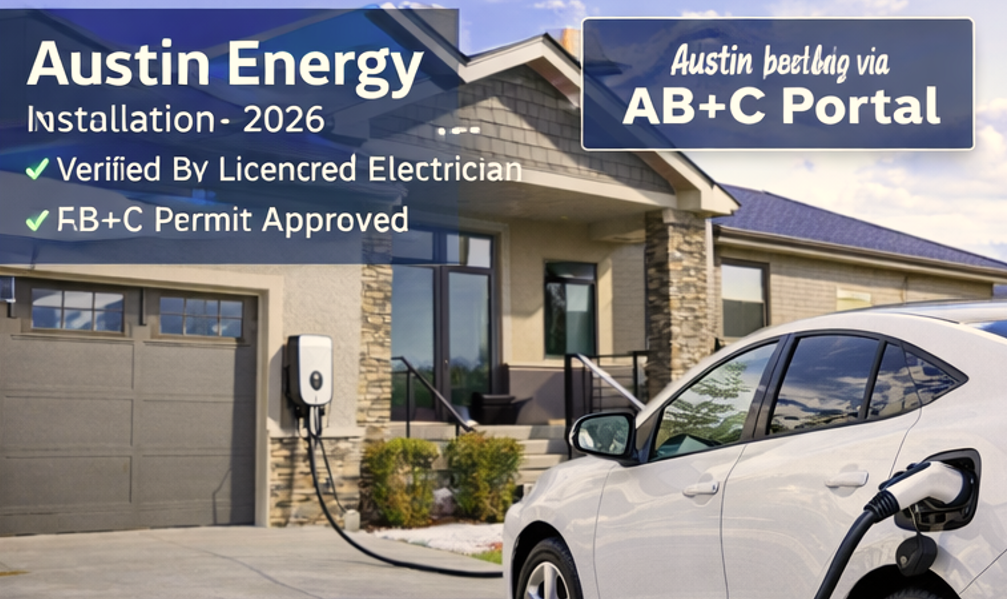
Austin EV Charger Permit Requirements Through AB+C Portal
In 2026, all residential electrical permits are filed through the Austin Build and Connect AB+C Portal.
Austin ev charger permit requirements include:
- Electrical permit submission through AB+C
- Work performed by licensed contractor
- Final inspection approval
Digital permitting has improved speed, but inspection remains mandatory.
Skipping permits can cause insurance and resale issues.
If You are search like Near Me EV Installation here are trusted: Google Map EV Installation Service Providers
Choosing Between NEMA 14-50 and Hardwired Chargers
For level 2 ev charger installation austin projects, most homeowners choose either:
- Plug in charger using NEMA 14-50 outlet
- Hardwired charger directly connected
NEMA 14-50 outlets allow easier replacement later. Hardwired systems offer stronger weather protection and are often preferred outdoors.
Planning for Bidirectional Charging
Bidirectional charging is gaining interest in 2026. Some EVs now support vehicle to home power backup.
If you plan to adopt this later, discuss panel capacity and inverter compatibility during installation. Planning early avoids expensive rewiring.

Step by Step Process for EV Charger Installation Austin
1. Hire a Licensed EV Charger Electrician Austin
High voltage installation should never be DIY. Texas requires licensed professionals for permitted work.
2. Panel Inspection and Load Calculation
The electrician checks breaker space, amperage rating, and distance to charger location.
3. Permit Submission Through AB+C Portal
The contractor submits the permit online. Approval is required before installation begins.
4. Installation Day
A 240 volt circuit is installed. Conduit runs from panel to charger. The unit is mounted and wired.
Standard installations take three to four hours.
5. City Inspection
A City of Austin inspector verifies compliance with NEC 2026 standards.
After approval, charging can begin.
you can also Check Guides in Home Charging Austinenergy.com
Home EV Charger Installation Checklist
Before scheduling installation, confirm:
- Panel capacity verified under NEC 2026
- Licensed electrician selected
- Permit submitted via AB+C Portal
- Rebate eligibility confirmed
- Charger type chosen
- Inspection scheduled
This checklist reduces delays and compliance issues.
Level 1 vs Level 2 Charging What Works Best in Austin
Most full EV drivers choose Level 2.
| Feature | Level 1 | Level 2 |
|---|---|---|
| Charging Speed | 3 to 5 miles per hour | 25 to 45 miles per hour |
| Voltage | 120V | 240V |
| Permit Required | No | Yes |
| Best For | Plug in hybrids | Full battery EVs |
Level 2 systems support daily commuting without overnight stress.
EV Charger Installation Cost Austin in 2026
The average ev charger installation cost austin ranges between 900 and 2200 dollars.
This includes:
- Labor
- Materials
- Permit fees
- Dedicated breaker
Panel upgrades increase cost by 2500 to 6000 dollars.
Price depends on:
- Distance from panel
- Indoor or outdoor mounting
- Trenching needs
- Panel capacity
Installing near the main panel reduces labor cost.
Austin Energy Rebates and Federal Tax Credit Deadlines
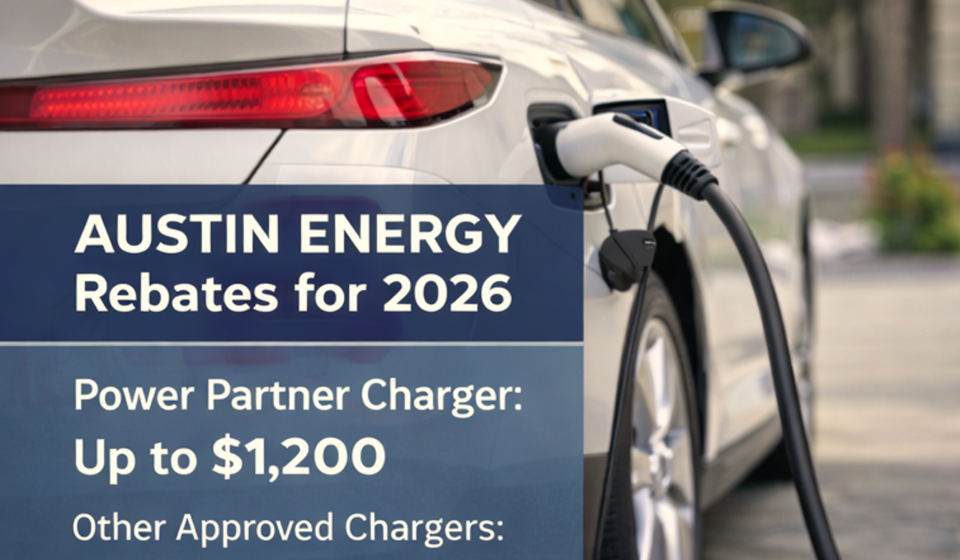
Austin Energy offers strong 2026 rebates.
Current rebate structure:
- 50 percent of installation cost
- Up to 1200 dollars for Power Partner compatible chargers
- Up to 900 dollars for other approved chargers
Rebate approval requires application and documentation.
The federal 30C tax credit covers 30 percent of equipment and installation cost up to 1000 dollars. This credit is scheduled to expire June 30, 2026.
Projects must be completed before that date to qualify.
Delaying installation may mean losing this benefit.
Common Mistakes During EV Charger Installation Austin Projects
Avoid these common errors:
- Skipping AB+C permit submission
- Hiring unlicensed contractor
- Ignoring panel capacity limits
- Installing too far from parking space
- Not planning for future second EV
Mistakes often cost more than proper installation.
How to Reduce Your EV Charger Installation Cost Austin
Smart decisions lower expenses.
- Install close to electrical panel
- Choose Power Partner charger for full 1200 rebate
- Apply for rebate before installation
- Bundle panel upgrade with other electrical work
- Complete installation before June 30, 2026
Timing matters in 2026.
Frequently Asked Questions About EV Charger Installation Austin
Do I need a permit for EV charger installation in Austin
Yes. A permit through the AB+C Portal and a final inspection are required for all Level 2 installations.
How much does ev charger installation austin cost in 2026
Most homeowners pay between 900 and 2200 dollars. Panel upgrades increase total cost.
Can I install a Level 2 charger without upgrading my panel
Yes, if your panel has available capacity. A licensed electrician must confirm this with a load calculation.
What is the Austin Energy rebate amount in 2026
Austin Energy covers 50 percent of costs up to 1200 dollars for Power Partner chargers and up to 900 dollars for other approved models.
When does the federal EV charger tax credit expire
The federal 30C residential credit expires June 30, 2026 unless extended by Congress.
EV Charger Installation Austin Final Advice Before You Book
EV adoption in Austin continues to grow. Rebate funds are limited and the federal credit deadline is approaching fast. Contractor schedules also fill quickly during peak months.
If you are planning ev charger installation austin, schedule a licensed evaluation soon. Confirm your panel capacity under NEC 2026, submit your permit through the AB+C Portal, and complete installation before June 30, 2026. Acting now protects your rebate eligibility and secures your tax credit before it disappears.