We know in the agriculture is rapidly evolving with the integration of technology, especially in crop management. Drone crop spraying offers farmers precise, efficient, and cost-effective solutions for pesticide, fertilizer, and herbicide application. Farms across the United States are increasingly adopting this approach to reduce chemical waste and improve crop yields.
How Agricultural Drone Technology Works
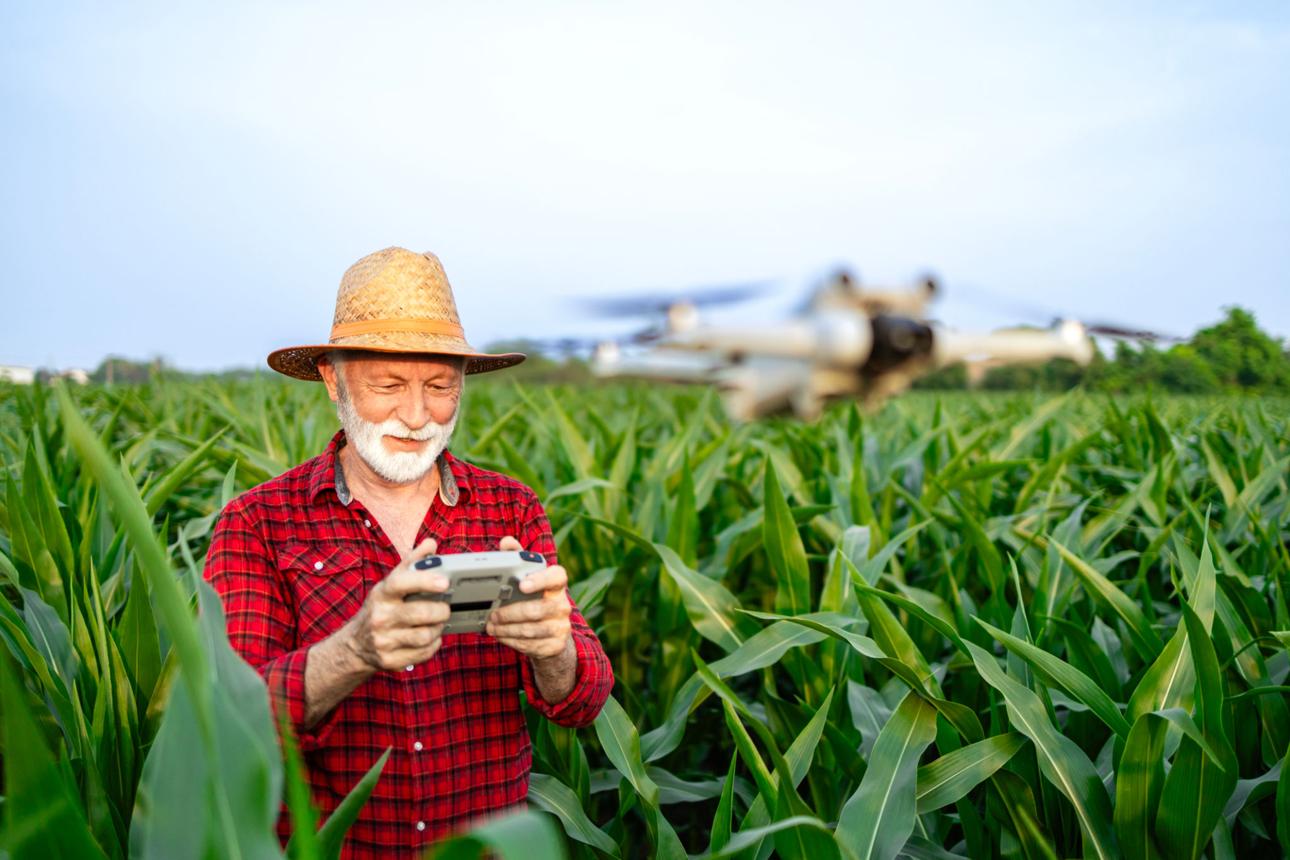
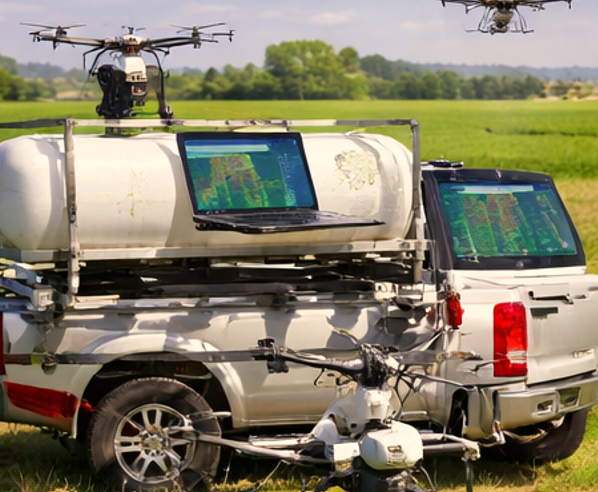
Agricultural drones operate using a combination of GPS navigation, automated flight planning, and advanced spraying mechanisms. Farmers first conduct a field survey to map the terrain and crop health using sensors. The drone’s flight path is then programmed using software that considers wind speed, terrain slope, and plant density.
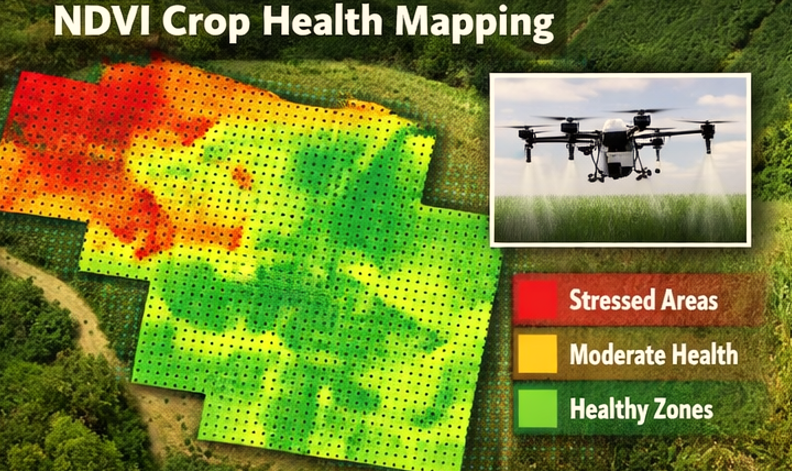
During operation, drones fly at consistent heights of 2–5 meters above crops, spraying chemicals with uniform coverage. Multispectral sensors continuously monitor application accuracy, and real-time telemetry ensures that no area receives excessive chemicals. Operators can adjust the spraying rate on the fly to match crop needs, achieving up to a 15% reduction in chemical usage compared to conventional tractors.
Types of Agricultural Drones
There are several drones specialized for crop spraying:
| Drone Type | Key Feature | Field Application |
|---|---|---|
| Multirotor Sprayers | High maneuverability, precise drops | Small to medium fields |
| Fixed-Wing Sprayers | Longer flight times, larger coverage | Large-scale farms (200+ acres) |
| Hybrid VTOL Drones | Vertical takeoff and long-range flight | Irregular terrain, hilly farms |
Multirotors like the DJI Agras T50 handle dense crops efficiently, while fixed-wing drones cover expansive fields with fewer battery swaps. Hybrid drones offer flexibility where terrain or farm layout prevents efficient fixed-wing deployment.
Real Farming Applications
Early Disease Detection
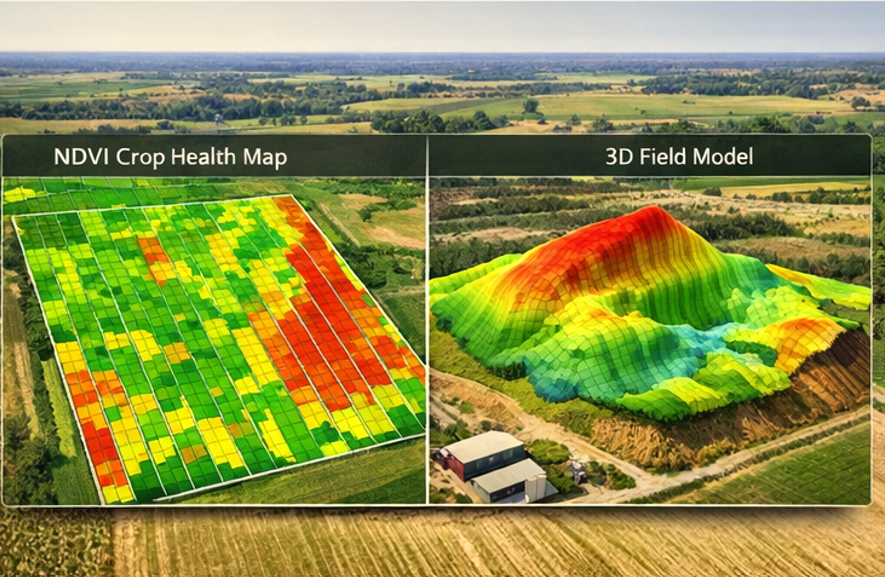
Multispectral imaging identifies stressed plants by detecting chlorophyll and water content variations. On a 150-acre corn field in Iowa, drones detected early signs of fungal infections, allowing farmers to apply fungicides precisely, reducing crop loss by 12%.
Precision Fertilizer Application
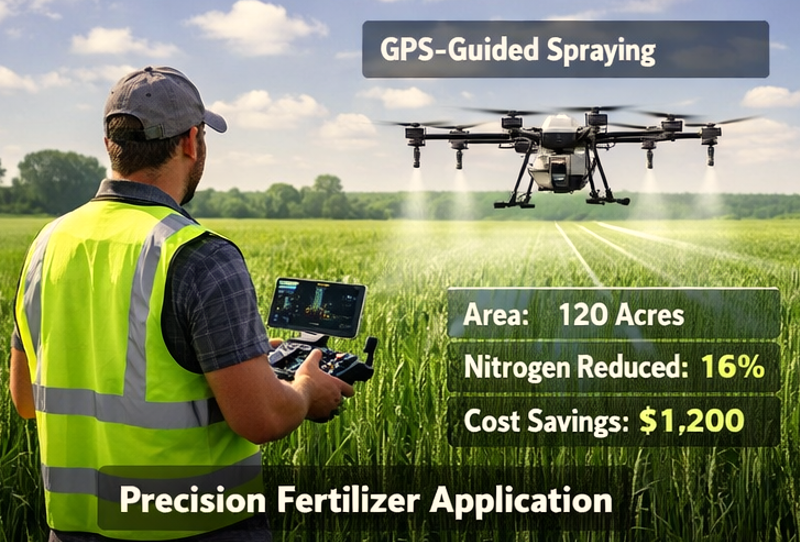
Using GPS-guided drones, a wheat farm in Kansas reduced nitrogen overlap by 18%, saving $1,200 in fertilizer costs over a 120-acre section.
Irrigation Management
Drones capture NDVI heatmaps to identify dry zones. A California vineyard optimized irrigation schedules based on drone data, improving grape quality while cutting water usage by 10%.
Benefits for Farmers
- Reduced Chemical Usage: Variable-rate spraying prevents over-application and chemical runoff.
- Labor and Time Savings: One operator can cover 100 acres in under 90 minutes, replacing hours of manual labor.
- Increased Yield: Precise targeting reduces crop stress, resulting in healthier plants and higher output.
- Operational Safety: Reduces human exposure to pesticides, especially in sensitive crops like leafy greens.
- Cost Efficiency: Lower fuel, labor, and chemical costs improve profit margins on medium and large farms.
Limitations and Challenges
- Weather Sensitivity: High winds above 15 mph can reduce accuracy and increase drift.
- Battery Life: Most sprayer drones operate for 20–40 minutes per flight, requiring multiple swaps on large farms.
- Training Requirements: Operators need Part 107 certification and training in payload management to avoid accidents.
- Initial Cost: Sprayer drones can cost $10,000–$25,000, though ROI is achievable in 2–3 seasons on medium to large farms.
Practical Solution: Plan flights during calm hours, invest in Lithium-Silicon batteries for longer missions, and attend certified drone operation training courses.
Costs and Efficiency
Drone crop spraying can reduce chemical and labor costs significantly. For example, on a 200-acre soybean farm in Illinois:
- Traditional tractor spraying cost: $1,800 per application
- Drone spraying cost: $1,200 per application
- Time saved: 8 hours per mission
- Reduced chemical usage: 15–18%
These savings increase with field complexity, irregular terrain, and crop type. Integration with Precision Agriculture software ensures that drones spray exactly where needed, eliminating unnecessary expenses.
Future of Agricultural Drone Technology
By 2026, adoption trends show rapid growth in AI-assisted crop spraying:
- Autonomous Drone Fleets: Coordinated multiple drones can spray large farms simultaneously.
- AI-Powered Analysis: Machine learning algorithms analyze crop health and recommend spray quantities.
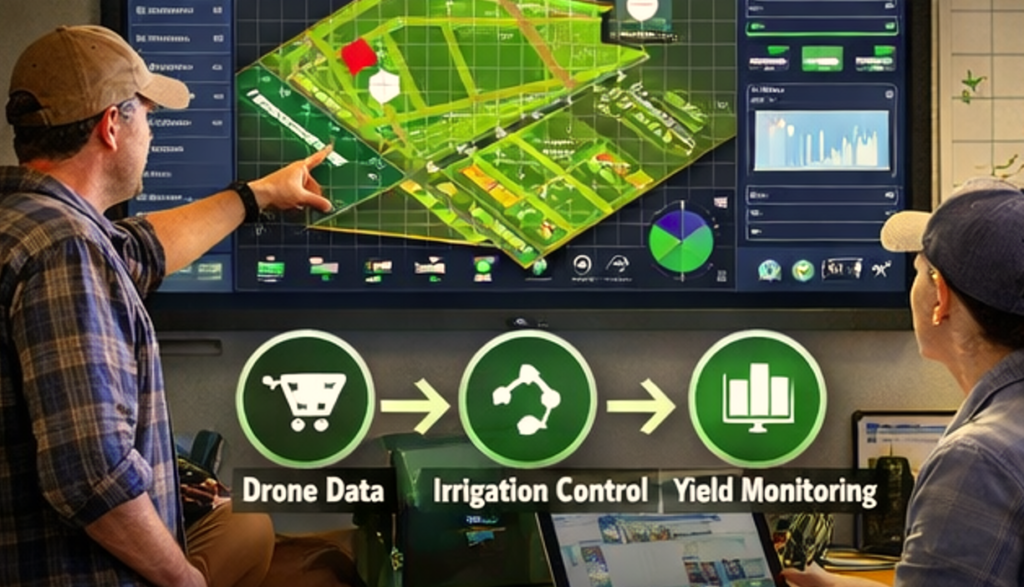
- Integration with Farm Management Software: Drone data links directly to irrigation, fertilizer, and yield management systems, enabling fully data-driven decisions.
- Enhanced Battery Technologies: Longer endurance and faster charging allow for uninterrupted operations.
Farmers embracing these technologies can achieve higher efficiency, lower costs, and more sustainable farming practices.
How Farmers Can Find Reliable Drone Services
Farmers seeking professional drone crop spraying should look for certified providers with Part 107 compliance and experience in precision spraying. Crop Spraying Drone Services directories provide verified listings, customer reviews, and coverage maps. Look for companies offering:
- Flight planning and automated spraying services
- Multispectral imaging for crop health
- Flexible service packages tailored to field size and crop type
Partnering with experienced providers ensures safety, efficiency, and measurable results.
FAQ Section
How accurate are agricultural drones for spraying?
Drones achieve ±5 cm spraying accuracy at optimal conditions, ensuring uniform chemical distribution and minimal waste.
Are drone spraying services expensive?
While initial costs are higher than traditional methods, drones reduce labor and chemical expenses, often paying for themselves within 2–3 seasons.
Can drones detect crop diseases?
Yes, multispectral and NDVI sensors identify stress patterns before visible symptoms appear, allowing early intervention.
Do farmers need licenses to use drones?
Yes, operators require FAA Part 107 certification, and commercial service providers must comply with all federal and state regulations.
How large of a farm can a drone cover?
Depending on drone type, multirotors cover up to 50 acres per flight, while fixed-wing drones can manage 200+ acres, especially with battery swaps or multiple drones.

Leave a Reply