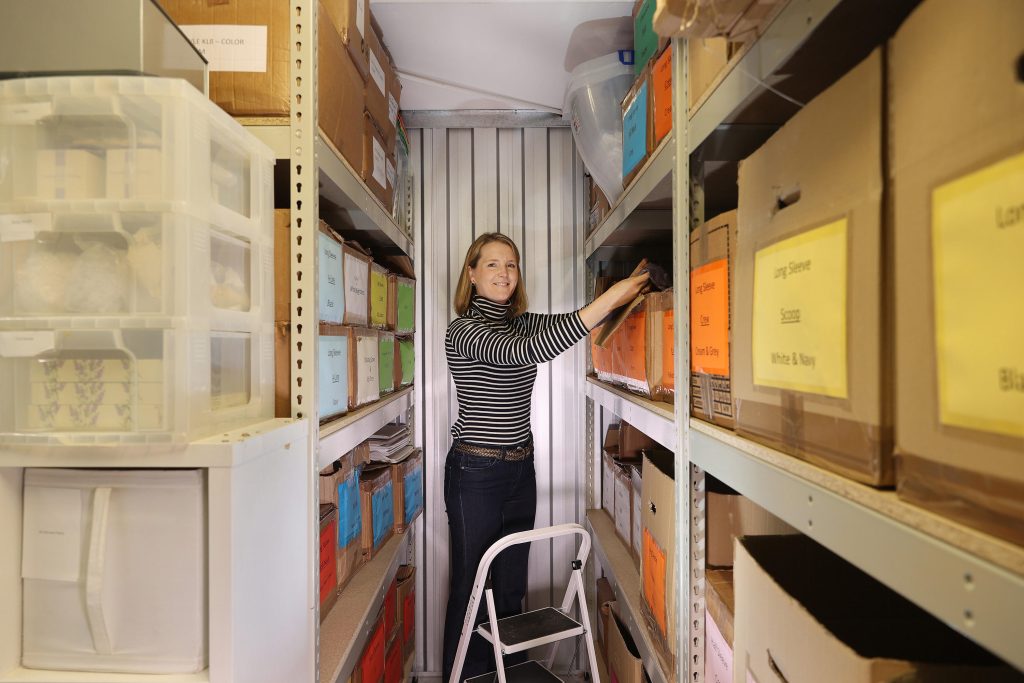
Quick Answer: A self storage business can net $5,000 to $50,000+ per month depending on facility size, occupancy, and location. Startup costs range from $200,000 to convert an existing building to $5,000,000+ for a new multi-story climate-controlled build. Most operators break even in 4 to 8 years — but a well-run facility is one of the most durable cash-flow businesses available to independent investors.
Self storage is not glamorous. It is not fast. But it is one of the most recession-resistant, low-labor, high-margin real estate businesses you can own. People store things when they move, downsize, go through a divorce, start a business, or just run out of space — which means demand holds across nearly every economic condition.
This guide covers exactly how a self storage business works, what it costs to start or buy one, what you actually make, and the risks that catch new operators off guard. Numbers only. No filler.
What This Guide Covers
- What is a self storage business and how does it work?
- Types of self storage business models
- Startup costs — full breakdown (build new vs. buy existing)
- How a self storage facility runs day to day
- How much profit does a self storage business make?
- Risks and why facilities fail
- How to start a self storage business — step by step
- Self storage business plan — what it needs to include
- Is self storage a good business to start in 2026?
What Is a Self Storage Business?
A self storage business rents individual units — ranging from small lockers to large drive-up bays — to customers who need temporary or long-term space for personal belongings, business inventory, vehicles, or equipment.
Customers sign a month-to-month rental agreement, access their unit independently during facility hours, and pay automatically by card or ACH. You own the real estate and the infrastructure. They bring the stuff.
The core business model:
- You build or buy a facility with a set number of rentable units
- Customers rent month-to-month at a stated rate — no long-term leases required from their side
- Revenue is almost entirely passive once the facility is operational
- Staff requirements are minimal — many facilities run on 1 part-time manager or fully automated systems
- You raise rents periodically based on demand and occupancy, generating organic revenue growth without adding a single new unit
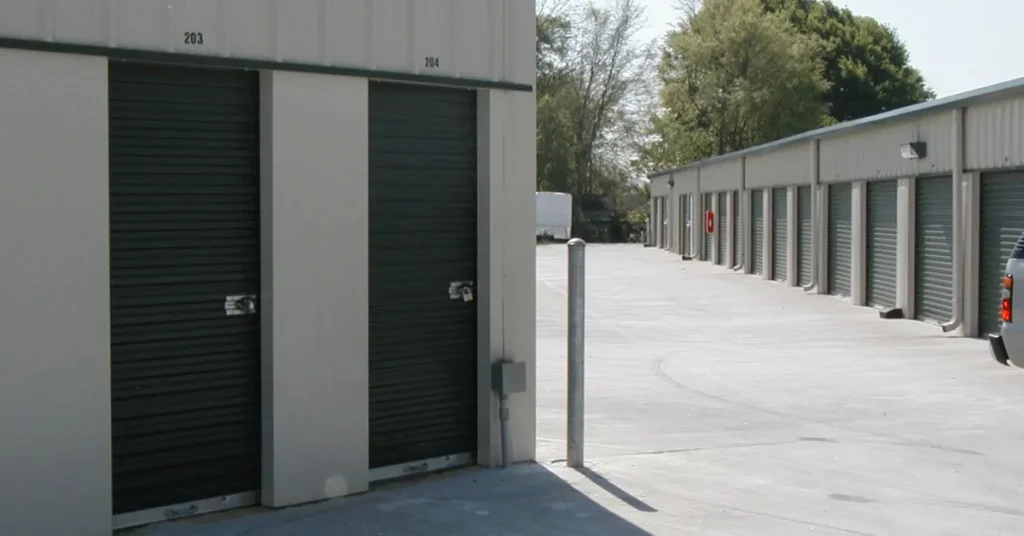
Why Self Storage Works as a Business
Four demand drivers keep self storage consistently occupied:
The 4 Ds: Death, Divorce, Downsizing, and Dislocation (moving). Every one of these life events generates storage demand — and none of them go away in a recession.
Beyond personal demand, small businesses have become one of the fastest-growing customer segments. Contractors, e-commerce sellers, photographers, caterers, and service companies all need storage for tools, inventory, and equipment without the cost of commercial lease space. This is what the search term “business self storage” reflects — real demand from operators who need affordable storage for their work.
Key industry facts:
- The US self storage industry generates over $39 billion in annual revenue
- Over 50,000 self storage facilities operate across the United States
- Average national occupancy runs 87% to 92% at stabilized facilities
- Self storage has had lower loan default rates than most commercial real estate categories over the past 30 years
Types of Self Storage Business Models
Self storage is not one business — it is a spectrum of models from simple drive-up units to fully automated climate-controlled towers. Each has different capital requirements, income potential, and day-to-day demands.
| Model | Description | Startup Cost Range | Net Income Potential | Owner Time Required |
|---|---|---|---|---|
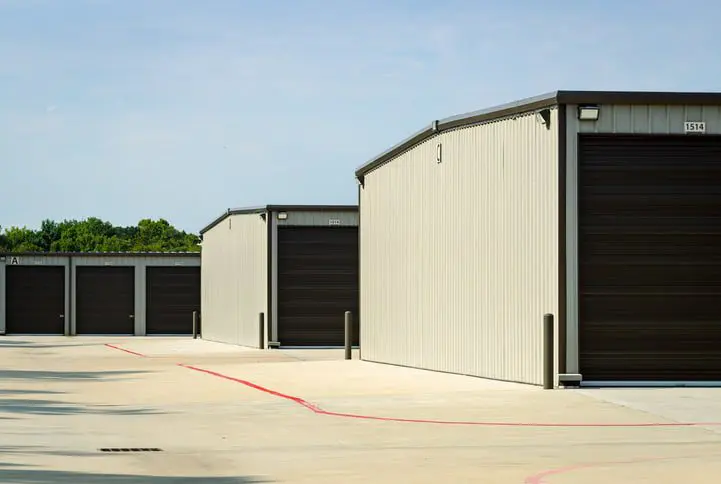
| Drive-up outdoor storage | Single-story metal buildings with roll-up doors. Customers drive directly to their unit | $500,000 — $3,000,000 | $5,000 — $30,000/month | 10 — 25 hrs/week |
| Climate-controlled indoor | Enclosed multi-corridor facility with temperature and humidity control. Higher rents | $1,500,000 — $8,000,000 | $15,000 — $80,000/month | 15 — 30 hrs/week |
| Mixed (drive-up + climate) | Most common model — combines exterior drive-up units with interior climate-controlled floors | $800,000 — $5,000,000 | $10,000 — $60,000/month | 15 — 30 hrs/week |
| Portable / container storage | Steel containers delivered to customer, picked up when done. Asset-light, logistics-heavy | $50,000 — $300,000 | $3,000 — $15,000/month | 30 — 50 hrs/week |
| Boat & RV storage | Large open or covered parking for recreational vehicles. Seasonal demand swings | $400,000 — $2,000,000 | $4,000 — $25,000/month | 5 — 15 hrs/week |
| Business self storage / flex units | Larger units with electrical access, sometimes with office add-ons. Targets small businesses | $600,000 — $4,000,000 | $8,000 — $45,000/month | 15 — 25 hrs/week |
Most Common Entry Point: Buying an existing stabilized facility is by far the lowest-risk path. Building new is viable in undersupplied markets but requires significantly more capital and 12 to 24 months before the facility reaches full occupancy.
Startup Costs — Full Breakdown
Self storage startup costs vary more than almost any other business on this site. A basic rural drive-up facility and a multi-story urban climate-controlled tower are both “self storage businesses” — but they have almost nothing in common financially.
Buying an Existing Self Storage Facility
The fastest path to operating income. An existing facility has tenants, cash flow, and a track record you can verify.
| Cost Item | Low Estimate | High Estimate | Notes |
|---|---|---|---|
| Purchase price | $300,000 | $8,000,000+ | Typically priced at 5x to 7x annual net operating income (cap rate 6% — 9%) |
| Due diligence and legal | $5,000 | $20,000 | Title search, lease review, structural inspection, financial audit |
| Deferred maintenance and repairs | $10,000 | $150,000 | Older facilities often have roof, door, and paving issues |
| Technology and software upgrade | $5,000 | $30,000 | Modern facility management software, gate systems, online rental |
| Rebranding and signage | $3,000 | $25,000 | Optional but improves occupancy and perception |
| Working capital reserve | $30,000 | $100,000 | 6 months of operating expenses minimum |
| TOTAL (buying existing) | $353,000 | $8,325,000+ |
Cap Rate Context: A $1,000,000 facility generating $80,000 net operating income per year = 8% cap rate. Most stabilized self storage trades between 5.5% and 8% cap rates in 2026. The lower the cap rate, the more you are paying for a premium, well-occupied asset.
Building a New Drive-Up Outdoor Facility
| Cost Item | Low Estimate | High Estimate | Notes |
|---|---|---|---|
| Land purchase | $100,000 | $1,500,000 | Rural land dramatically cheaper; urban land is the biggest variable |
| Site work (grading, drainage, paving) | $100,000 | $500,000 | |
| Metal building construction (per sq ft) | $35 | $65/sq ft | A 40,000 sq ft facility = $1,400,000 — $2,600,000 in building cost |
| Roll-up doors and unit fit-out | $50,000 | $200,000 | |
| Perimeter fencing and gate system | $20,000 | $80,000 | |
| Security cameras and access control | $10,000 | $50,000 | Keypad gate entry, camera coverage per row |
| Office building or kiosk | $15,000 | $80,000 | Many new builds use unmanned kiosk + management software only |
| Utilities (electric, water, sewer) | $20,000 | $100,000 | |
| Permits, zoning, and licensing | $10,000 | $60,000 | |
| Facility management software and website | $3,000 | $15,000 | |
| Insurance (first year) | $8,000 | $30,000 | |
| Working capital and lease-up reserve | $50,000 | $200,000 | Covers operating costs while occupancy builds to breakeven |
| TOTAL (new drive-up build) | $386,000 | $3,415,000 | Varies enormously with land cost and facility size |
Building a New Climate-Controlled Facility
| Cost Item | Low Estimate | High Estimate | Notes |
|---|---|---|---|
| Land purchase | $300,000 | $3,000,000 | Suburban/urban locations required for this model |
| Construction (climate-controlled, multi-story) | $80 | $160/sq ft | Multi-story urban build can exceed $200/sq ft |
| HVAC system | $100,000 | $400,000 | Full building climate control |
| Elevator (multi-story) | $50,000 | $200,000 | |
| Interior fit-out (lighting, corridors, unit walls) | $50,000 | $250,000 | |
| Gate, security, and access control | $20,000 | $80,000 | |
| Technology systems | $15,000 | $60,000 | |
| Permits, environmental, zoning | $20,000 | $100,000 | |
| Insurance (first year) | $15,000 | $50,000 | |
| Lease-up reserve (12 — 18 months of losses) | $100,000 | $500,000 | New facilities often lose money for 12 — 24 months |
| TOTAL (new climate-controlled) | $750,000 | $4,640,000+ |
Critical Warning: New self storage facilities almost never break even immediately. Budget for 12 to 24 months of negative cash flow while occupancy builds from 0% to the break-even point (typically around 70% occupancy). The lease-up reserve is not optional — running out of operating capital before you reach stabilization is the #1 reason new storage facilities fail.
How a Self Storage Business Runs Day to Day
Self storage is one of the most operationally efficient businesses you can own at scale. The day-to-day is largely automated once the systems are set up.
What a Typical Day Looks Like
| Task | Time Required | Frequency |
|---|---|---|
| Respond to rental inquiries (phone, web, walk-in) | 30 — 60 min | Daily |
| Process new move-ins and lease signing | 20 — 40 min per tenant | As needed |
| Collect or follow up on overdue accounts | 20 — 30 min | Daily |
| Walk the facility — check doors, security, cleanliness | 30 — 45 min | Daily |
| Coordinate unit overlocks for delinquent accounts | 15 — 30 min | Weekly |
| Process auctions for abandoned units | 2 — 4 hrs | Monthly |
| Maintain grounds, lighting, and gate systems | 1 — 2 hrs | Weekly |
| Review occupancy reports and adjust rates | 30 min | Weekly |
Staffing Reality
| Facility Size | Staff Typically Needed | Monthly Wage Cost |
|---|---|---|
| Under 150 units | Owner-operated or part-time manager (10 — 15 hrs/week) | $0 — $2,000 |
| 150 — 400 units | 1 part-time manager | $1,500 — $3,500 |
| 400 — 700 units | 1 full-time manager | $3,000 — $5,000 |
| 700+ units | 1 full-time manager + part-time support | $5,000 — $9,000 |
Automation Note: Fully unmanned self storage facilities are now common and viable for facilities under 400 units. Automated kiosks, online lease signing, digital gate codes, and automated billing eliminate most of the on-site management requirement. The manager becomes a remote oversight role, not a daily on-site presence.
Self Storage Business Plan — Key Operating Metrics to Track
A credible self storage business plan — whether for yourself or for a lender — must address these core metrics:
- Economic occupancy: Revenue collected vs. maximum possible revenue (more important than physical occupancy)
- Physical occupancy: Percentage of units rented
- Street rate vs. effective rate: What you advertise vs. what tenants actually pay (discounts, promotions)
- Tenant delinquency rate: Percentage of tenants more than 30 days overdue
- Move-in/move-out ratio: Net tenant change per month
- Revenue per square foot: Industry benchmark is $12 — $20/sq ft/year for stabilized facilities
How Much Profit Does a Self Storage Business Make?
Self storage profit is driven by three variables: unit count, occupancy rate, and the average monthly rent per unit. Everything else is either fixed or semi-fixed overhead.
Revenue Calculation by Facility Size
| Facility Size | Unit Count | Average Monthly Rent per Unit | At 85% Occupancy — Monthly Revenue | Annual Revenue |
|---|---|---|---|---|
| Small rural drive-up | 80 units | $65 | $4,420 | $53,040 |
| Mid-size suburban mix | 200 units | $95 | $16,150 | $193,800 |
| Large suburban climate-control | 500 units | $130 | $55,250 | $663,000 |
| Large urban multi-story | 800 units | $175 | $119,000 | $1,428,000 |
Net Profit After Expenses — Three Facility Sizes
| Small (80 units) | Mid-Size (200 units) | Large (500 units) | |
|---|---|---|---|
| Monthly gross revenue (85% occupancy) | $4,420 | $16,150 | $55,250 |
| Monthly operating expenses | $2,500 — $3,500 | $6,000 — $9,000 | $20,000 — $32,000 |
| Monthly debt service (if financed) | $1,500 — $3,000 | $4,000 — $8,000 | $12,000 — $25,000 |
| Monthly net profit (after expenses, before debt) | $900 — $1,900 | $7,150 — $10,150 | $23,250 — $35,250 |
| Monthly net profit (after debt service) | $0 — $400 | $3,150 — $6,150 | $11,250 — $23,250 |
Important: Small facilities under 100 units are very difficult to make financially viable once you factor in debt service on a purchase or build loan. Serious self storage investors typically target 200+ units as a minimum viable facility size.
Monthly Operating Cost Breakdown
| Expense Category | Small Facility | Mid-Size Facility | Large Facility |
|---|---|---|---|
| Property taxes | $300 — $800 | $800 — $2,500 | $2,500 — $8,000 |
| Insurance | $200 — $600 | $600 — $1,500 | $1,500 — $4,000 |
| Utilities (electric, water) | $200 — $500 | $500 — $1,500 | $2,000 — $6,000 |
| Management / labor | $0 — $1,500 | $1,500 — $3,500 | $3,500 — $7,000 |
| Facility management software | $100 — $200 | $150 — $300 | $250 — $600 |
| Maintenance and repairs | $200 — $500 | $500 — $1,500 | $1,500 — $4,000 |
| Marketing (Google Ads, listing sites) | $200 — $500 | $400 — $1,000 | $800 — $2,500 |
| Miscellaneous | $100 — $300 | $300 — $700 | $500 — $1,500 |
Is a Self Storage Business Profitable?
Yes — but profitability is almost entirely a function of whether you bought or built at the right price relative to the income the facility generates.
A stabilized self storage facility purchased at a reasonable cap rate (7% to 8%) will be cash flow positive from day one. A new build in an oversupplied market that takes 3 years to reach 70% occupancy may never generate a real return on the capital invested.
Rule of thumb: If your annual net operating income (NOI) divided by the purchase price is under 5%, you are overpaying and will struggle to generate meaningful cash flow after debt service.
Break-Even Timeline
| Scenario | Capital Invested | Monthly Net Cash Flow | Break-Even |
|---|---|---|---|
| Buy stabilized 200-unit facility | $600,000 (down payment + costs) | $4,000 — $6,000 | 8 — 12 years |
| Buy stabilized 400-unit facility | $1,200,000 | $9,000 — $15,000 | 7 — 11 years |
| New build 300-unit drive-up | $1,500,000 | $6,000 — $10,000 (at stabilization) | 12 — 18 years |
| New build 500-unit climate-control | $3,500,000 | $18,000 — $28,000 (at stabilization) | 10 — 16 years |
Self storage is a long-payback, appreciation-heavy investment. The real wealth creation often comes when you sell — not from monthly cash flow alone.
Risks and Why Self Storage Facilities Fail
Oversupply in Local Markets
This is the single biggest risk in self storage right now. Institutional capital has flooded the industry over the past decade. Many suburban and secondary markets are at or near saturation. Opening a new facility in an already-supplied market means competing on price, which destroys margins.
How to check: Use the Self Storage Association’s market data, SiteLink market reports, or simply drive a 3 to 5 mile radius and count existing units vs. local population. The standard benchmark is 7 to 9 square feet of self storage per capita. Markets above that level are typically oversupplied.
Lease-Up Risk on New Builds
A new facility starts at 0% occupancy. Operating costs begin immediately. Revenue builds slowly. Most facilities need 18 to 36 months to reach stabilization (85%+ occupancy). If you run out of reserves before you hit break-even occupancy, you have a serious problem.
Deferred Maintenance on Older Acquisitions
Buying an existing facility is the faster path to cash flow — but older facilities often come with roof issues, deteriorating doors, aging gate systems, and paving problems. A thorough pre-purchase inspection is not optional. Budget for capital expenditures even if the inspection looks clean.
Auction and Lien Law Compliance
Self storage is regulated at the state level. When a tenant defaults, you cannot simply remove their belongings. You must follow a specific legal process — written notices, lien filing, advertising the auction — before you can legally sell the contents of an abandoned unit. Violations can result in civil liability. Learn your state’s self storage lien law before you take your first tenant.
Technology Lag
Facilities still running on paper leases, cash payments, and physical keys are losing tenants to competitors offering online rentals, digital gate codes, and mobile access. Upgrading technology is a real cost — but it is also a real opportunity if you acquire a facility that has not modernized.
How to Start a Self Storage Business — Step by Step
Step 1 — Analyze the Market
Before any capital commitment, establish whether the market supports new supply.
| Market Analysis Factor | What to Look For |
|---|---|
| Existing storage per capita | Healthy market is under 8 sq ft per capita |
| Street rate trends | Are local facilities raising rates or discounting? |
| Occupancy at competitors | Call and ask — or check their websites for available units |
| Population growth | Growing suburban markets support new supply |
| Business density | High small-business concentration increases demand for business self storage |
Step 2 — Choose Build vs. Buy
| Factor | Buy Existing | Build New |
|---|---|---|
| Time to first revenue | Immediate | 12 — 24 months |
| Occupancy risk | Low (if stabilized) | High during lease-up |
| Capital required upfront | Moderate to high | Very high |
| Market availability | Limited to what is for sale | Site-dependent |
| Customization | Limited | Full control |
Where to find self storage facilities for sale: LoopNet, Crexi, CoStar, and specialist brokers like Marcus & Millichap and CBRE all list self storage properties. The search terms “self storage business for sale” and “self storage businesses for sale near me” will pull listings — but many of the best deals trade off-market through industry relationships before they hit listing platforms.
Step 3 — Secure Financing
Self storage is generally well-regarded by commercial lenders because of its recession resilience and real estate backing.
| Financing Type | Typical LTV | Notes |
|---|---|---|
| SBA 7(a) loan | Up to 90% | Good for owner-operators buying or building; longer terms available |
| SBA 504 loan | Up to 90% | Best for fixed-asset heavy projects (land + building) |
| Conventional commercial mortgage | 65% — 75% LTV | Requires stabilized facility or strong pro forma |
| USDA Business & Industry loan | Up to 80% | Available for rural self storage development |
| Private / bridge loan | Varies | Higher rate; used during lease-up before refinancing |
Step 4 — Handle Zoning, Permits, and Licensing
| Required Item | Who Issues It | Timeline |
|---|---|---|
| Business license | Local city/county | 1 — 4 weeks |
| Zoning / conditional use permit | Local planning department | 4 — 24 weeks |
| Building permit | Local building department | 4 — 16 weeks |
| Stormwater/drainage permit | City/county engineering | 2 — 12 weeks |
| Sign permits | Local planning department | 1 — 4 weeks |
| State self storage lien law compliance | State statute — no permit required; operational compliance only | Ongoing |
Self storage zoning can be contentious. Some municipalities restrict new storage facilities near residential areas or along commercial corridors. Confirm zoning approval before purchasing land or signing a lease — a site that can’t get zoning approval is worthless.
Step 5 — Set Up Operations and Technology
Modern self storage operations require:
- Facility management software: Storedge, Sitelink, or Easy Storage Solutions handle online reservations, automated billing, and unit management
- Online rental: The majority of new rentals now initiate online — you need the capability from day one
- Gate access control: Keypad or app-based access with audit log; unique codes per tenant
- Security cameras: Full perimeter and corridor coverage — both for security and for liability protection
- Automated payment and late fee processing: Reduces management time dramatically and improves collections
Step 6 — Price Your Units and Fill Them
Self storage pricing is dynamic. Do not set rates once and leave them.
- Launch pricing: Open at 5% to 10% below market to accelerate lease-up
- Raise rates at 70% occupancy: When a unit size hits 70% full, the market will bear a rate increase — push it
- Revenue management software: Tools like Priceit and Storedge’s yield management module automatically adjust rates based on occupancy; this alone can add 8% to 15% to annual revenue
- Unit mix strategy: Small units (5×5, 5×10) are highest demand and highest revenue per square foot — build more of them than large units in most markets
Step 7 — Market the Facility
| Channel | Priority | Cost |
|---|---|---|
| Google Business Profile | Essential | Free |
| Google Ads | High | $300 — $2,000/month |
| SpareFoot / Storage.com listings | High for lease-up | $200 — $800/month |
| Website with online rental | Essential | $50 — $200/month |
| Referral partnerships (realtors, moving companies) | Medium | Free to low cost |
| Social media | Low | Free to modest |
Self Storage Business Plan — What to Include
Whether you are writing a business plan for a lender, an investor, or yourself, a credible self storage plan must address:
- Market analysis: Supply per capita, competitor occupancy and rates, demand drivers
- Site analysis: Location, traffic, zoning, ingress/egress, visibility
- Facility design: Unit mix, total square footage, climate-control ratio, amenities
- Financial projections: Lease-up schedule (month-by-month occupancy ramp), revenue at stabilization, operating cost breakdown, NOI, debt service coverage ratio
- Management plan: On-site vs. remote management, software systems, staffing model
- Exit strategy: Hold period, refinance plan, or sale target based on cap rate improvement
Lenders will scrutinize the lease-up schedule most carefully — be conservative and show 18 to 24 months to stabilization even if you believe you can do it faster.
Is Self Storage a Good Business to Start in 2026?
The honest answer is: yes in the right market, no in an oversupplied one — and that distinction matters more now than it did five years ago.
A Self Storage Business Is Worth It If:
- The local market is under 7 square feet of storage per capita with strong occupancy at existing facilities
- You can acquire an existing facility at a 7%+ cap rate with room to improve operations and rates
- You are targeting a suburban growth market where new housing construction is outpacing storage supply
- You have the capital for lease-up reserves — 12 to 18 months of operating costs on a new build
- You understand this is a long-horizon business — payback in 8 to 12 years, wealth in appreciation and refinancing
A Self Storage Business Is Not Worth It If:
- The local market already has a Public Storage, Extra Space, CubeSmart, and three independents within 3 miles
- You are buying at a sub-5% cap rate expecting prices to keep rising
- You cannot afford a real reserve — new builds with inadequate capital regularly fail before reaching stabilization
- You need income within the first year — this business rewards patience, not speed
The 2026 Opportunity
Despite institutional saturation in major metros, real opportunity exists:
- Secondary and tertiary markets — smaller cities and rural towns where institutional operators don’t compete are still undersupplied in many cases
- Conversion plays — converting underperforming retail, office, or industrial buildings into self storage is cheaper than new builds and often faster to permit
- Operational turnarounds — facilities still running cash-only, no online rental, and below-market rates can see significant revenue increases just from technology upgrades and dynamic pricing
- Business self storage demand — dedicated flex storage with electrical access targeting small businesses commands 20% to 40% rent premiums over standard units and sees lower turnover
Final Verdict
| Factor | Rating | Notes |
|---|---|---|
| Passive income potential | High | Well-run facility needs 10 — 20 hrs/week; large or automated = less |
| Startup cost barrier | High | $300,000 minimum realistic entry; $1M+ for meaningful scale |
| Recession resistance | Very High | Demand holds or increases during economic downturns |
| Profit potential | Medium to Very High | $1,000/month (small facility) to $50,000+/month (large stabilized) |
| Time to profitability | Slow | 8 — 18 years full payback on capital; positive cash flow often within 2 — 4 years |
| Complexity to operate | Low to Medium | Operations are simple once automated; regulatory compliance is the learning curve |
| Scalability | Very High | Adding locations, raising rates, and selling at a cap rate premium all work at scale |
Disclaimer: Figures in this guide are estimates based on publicly available data and general market conditions. Always verify current numbers with commercial real estate brokers, local planning authorities, and licensed lenders before committing capital. BusinessDiscovered does not sell storage units, franchises, or investment products.
