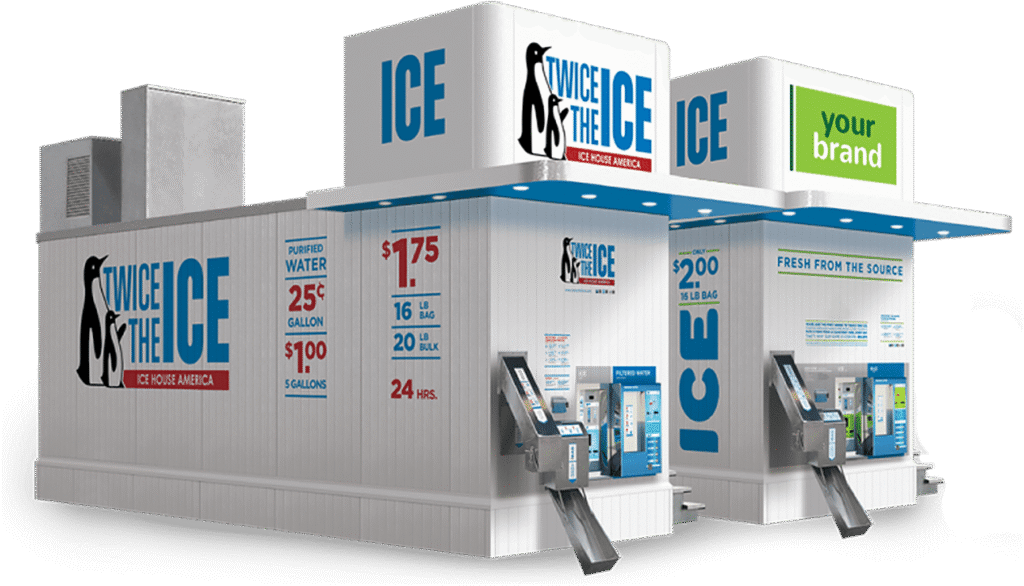
Quick Answer: An ice vending machine sells bagged or bulk ice 24/7 with no staff on site. A single machine costs $25,000 to $150,000 depending on size, and a well-placed unit nets $1,000 to $4,000 per month after expenses once it’s built a customer base. The margins are unusually high. ice costs pennies to make and sells for $1.50 to $3 a bag — but location and machine reliability decide whether the business actually works.
What Is an Ice Vending Machine Business?
An ice vending machine is a self-contained unit that filters water, freezes it, and dispenses ice into bags or directly into a customer’s cooler, all without a cashier or store clerk. The customer pays at a card reader or coin slot, and the machine does the rest — making, bagging, and releasing the ice through a chute or locker door.
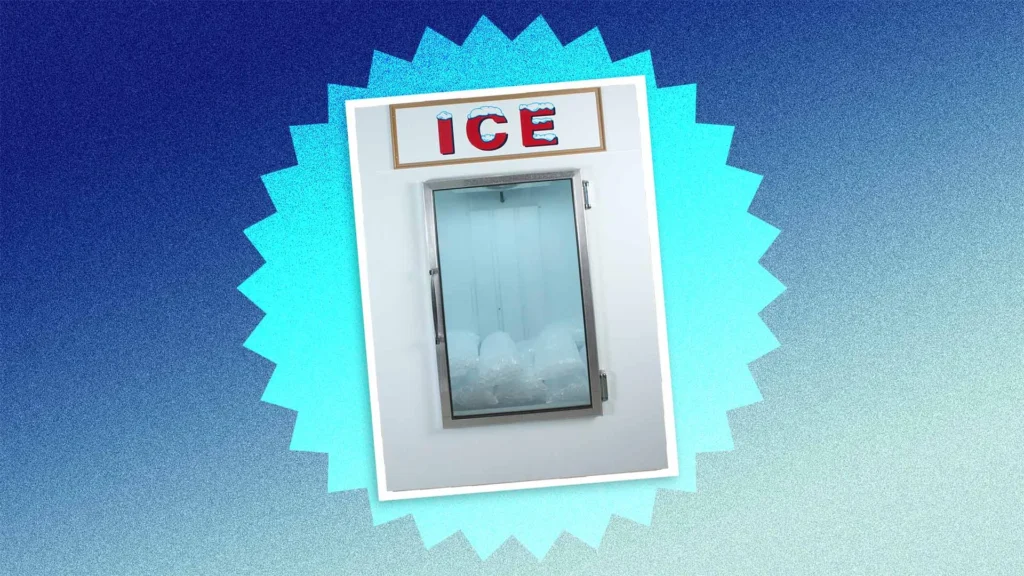
This isn’t the same as the small bagged-ice freezer chest you see outside a gas station, which is just cold storage for ice made somewhere else and trucked in. A true ice vending machine manufactures its own ice on-site from a municipal water line, which is what makes the margins so different from buying and reselling bags.
Most operators run these as a side business or a small portfolio of 2 to 10 machines placed at gas stations, campgrounds, marinas, apartment complexes, and convenience stores. Very few people run this as their only income stream until they’ve scaled past 5 or 6 units.
How Ice Vending Machines Actually Work
The mechanics matter because they explain both the cost and the profit potential.
A water line feeds into the machine, where it passes through a filtration system (usually carbon filtration plus a reverse osmosis stage on higher-end units) to strip out chlorine, sediment, and odor. The filtered water moves into an ice-making chamber, where it freezes into small cubes or nuggets. An auger or conveyor moves the finished ice into a storage bin, and from there into either a pre-measured bag or directly into the customer’s container.
Payment happens through a card reader, app, or coin mechanism mounted on the front panel. Most newer machines run on cellular connectivity, which lets the owner monitor ice levels, water pressure, and revenue remotely from a phone app instead of driving out to check.
The two main formats are:
- Bagged ice machines — dispense a sealed bag (typically 8, 10, or 16 lbs) that drops into a chute or bin for pickup.
- Bulk/loose ice dispensers — let the customer fill their own cooler or container directly, often sold by the pound.
Some manufacturers, like Ice House America and Kooler Ice, also build combo units that sell filtered water alongside ice from the same machine, adding a second small revenue stream.
Startup Costs: What It Actually Takes to Begin
This is where most people underestimate the business. The machine itself is the headline cost, but it’s far from the only one.
Machine Cost by Size
| Machine Type | Daily Ice Capacity | Typical Cost |
|---|---|---|
| Small bagged-ice unit | 1,500–2,500 lbs/day | $25,000–$45,000 |
| Mid-size bagged-ice unit | 3,000–4,000 lbs/day | $50,000–$85,000 |
| Large commercial unit | 5,000–8,000+ lbs/day | $90,000–$150,000+ |
| Bulk-only dispenser | 1,000–3,000 lbs/day | $20,000–$40,000 |
Larger machines cost more upfront but generate more revenue per location, since they rarely run out of stock during peak summer demand — a stockout is the single fastest way to lose a customer to the gas station ice chest next door.
Site Prep and Installation
Beyond the machine itself, budget for:
- Concrete pad or foundation — $2,000 to $6,000, depending on site conditions
- Water line installation — $1,000 to $5,000 if a line needs to be run from the main
- Electrical hookup — $1,500 to $4,000 for a dedicated 220V circuit, more if the panel needs upgrading
- Drainage — $500 to $2,000 for proper wastewater drainage, which most municipalities require
- Delivery and crane placement — $1,500 to $4,000, since these machines are heavy and often need to be lifted into position
- Signage and branding wrap — $300 to $1,500
Permits, Insurance, and Lease and Costs Startup Costs: What It Actually Takes to Begin
Add another $1,000 to $3,000 for health department permits, a business license, and general liability insurance for the first year. If you’re placing the machine on someone else’s lot, expect to pay them either a flat monthly rent ($150–$500) or a percentage of revenue (8–15%), which gets negotiated into a site lease agreement before installation.
Realistic total to launch one machine, all-in: $35,000 to $100,000+ depending on size and how much site work is needed. Financing through equipment lenders or SBA loans is common, since most ice vending manufacturers partner with lenders who specialize in this exact equipment category.
Day-to-Day Operations
One of the appeals of this business is genuinely low labor — but “low labor” doesn’t mean “no labor.” Here’s what actually happens week to week.
Routine Maintenance
- Filter changes — every 1 to 3 months depending on water hardness, costing $50 to $150 per service
- Bag refilling — bagged units need their bag rolls restocked weekly or biweekly
- Cleaning and sanitizing — most health departments require ice machines to be sanitized on a set schedule, typically monthly, using food-grade cleaning solution
- Coin/card reader servicing — emptying coin boxes, checking card reader connectivity
- Remote monitoring — checking the app for ice levels, error codes, and sales data, usually a daily five-minute check
Full Details about how-to-run-an-ice-vending-machine-business-day-to-day-operations-guide
Repairs
The compressor, auger motor, and water pump are the parts most likely to fail, and a major compressor repair can run $1,500 to $4,000. This is why most serious operators either buy an extended warranty or budget a repair reserve fund of a few hundred dollars per machine per month.
How Many Machines One Person Can Run
A single operator can typically manage 3 to 6 machines part-time, especially with cellular monitoring reducing the need for physical site visits. Beyond that, most owners hire a part-time route technician to handle refilling and minor maintenance across a larger fleet.
Best Locations for an Ice Vending Machine
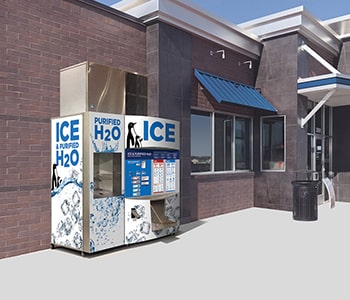
Location is the single biggest driver of revenue in this business, more than machine size or pricing strategy. The strongest locations share a few traits: high foot or vehicle traffic, hot climate or strong seasonal tourism, and limited nearby competition from stores already selling cheap bagged ice.
Locations that consistently perform well:
- Gas stations and convenience stores in rural or semi-rural areas with no large grocery chain nearby
- Campgrounds and RV parks, especially ones without an on-site store
- Marinas and boat launches
- Apartment complexes and mobile home communities (placed as a tenant amenity)
- Truck stops along highway corridors
- Beach access points and lake recreation areas
- Car washes and laundromats, where foot traffic is already steady
Locations that tend to underperform:
- Anywhere within sight of a grocery store or big-box retailer already selling $1.50 bagged ice
- Low-traffic side streets
- Cold-climate areas with no summer tourism draw
A good rule used by experienced operators: drive the location at the time of day you’d expect peak demand and count actual foot or car traffic. Don’t rely on assumptions about an area being “busy.”
Profit & Income: What It Realistically Earns
This is the part everyone wants to know, and the honest answer is that it varies more by location than almost any other business model in this niche. Profit & Income: What It Realistically Earns
The Unit Economics
Producing a bag of ice costs an operator somewhere between $0.10 and $0.30, factoring in water, electricity, and bagging materials. That same bag typically sells for $1.50 to $3.00, depending on region and bag size. That’s a gross margin north of 85% on the product itself — extraordinarily high compared to almost any other vending category.
Monthly Revenue Ranges
| Location Quality | Bags Sold/Month (est.) | Monthly Revenue | Monthly Net Profit (after expenses) |
|---|---|---|---|
| Weak location | 200–500 | $400–$1,200 | $100–$400 |
| Average location | 600–1,200 | $1,200–$3,000 | $500–$1,500 |
| Strong location | 1,500–3,000+ | $3,500–$8,000+ | $2,000–$5,000+ |
These numbers assume the machine is already installed and the loan payment, if any, is factored into “expenses.” A machine financed over 5 to 7 years will have a fixed monthly payment of roughly $700 to $2,000 depending on the loan size, which is the largest recurring cost most operators carry.
Seasonality
Ice demand is heavily seasonal almost everywhere except the Deep South, Southwest, and parts of the Gulf Coast. In northern and Midwestern states, expect 60 to 80% of annual revenue to land between May and September. Some operators in colder regions shut machines down or reduce water flow over winter to avoid freeze damage to internal plumbing, rather than running at a loss.
Break-Even Timeline
Most well-placed machines break even on their upfront investment somewhere between 2 and 4 years, faster in high-traffic warm-climate locations and slower in marginal or seasonal markets. A poorly placed machine can take 6+ years to break even, or never fully recover its cost — which is why site selection gets more attention in this business than almost any other startup decision.
Risks and Common Mistakes
Picking the Wrong Location
This is, by a wide margin, the most common reason ice vending machines underperform. Operators sometimes place a machine based on a landowner offering cheap rent rather than actual customer traffic, and end up with a $60,000 machine selling 150 bags a month.
Water and Electrical Surprises
Some sites that look ready for installation turn out to need an expensive electrical panel upgrade or a longer water line run than expected, which can add thousands of dollars mid-project. Always get a site assessment from the machine manufacturer or installer before signing a lease.
Mechanical Downtime
Every day a machine is broken is a day of lost revenue, and customers who find the machine empty or out of service once or twice often stop checking it altogether. This is why remote monitoring and a fast repair plan matter more in this business than in most vending categories.
Vandalism and Theft
Outdoor, unattended, cash-accepting equipment is a target. Card-only payment systems reduce theft risk significantly compared to coin-operated units, and well-lit, camera-covered locations see far less vandalism.
Freeze Damage and Weather
In cold climates, internal water lines can freeze and crack if a machine isn’t properly winterized, leading to repair bills that wipe out a season’s profit if missed.
Overestimating Passive Income
This business is marketed heavily as “true passive income,” and while it requires far less labor than a laundromat or car wash, it isn’t zero-touch. Filter changes, bag restocking, and the occasional repair call are non-negotiable parts of ownership.
Ice Vending vs Other Vending-Style Businesses
| Factor | Ice Vending | Vending Machine (Snacks/Drinks) | Laundromat | ATM Business |
|---|---|---|---|---|
| Typical startup cost | $35,000–$100,000+ | $3,000–$10,000 | $200,000–$500,000 | $2,500–$12,000 |
| Gross margin | 80–90% | 40–55% | 35–50% | Varies by fee split |
| Labor intensity | Low–Moderate | Low | Moderate–High | Very Low |
| Seasonality | High in most regions | Low | Low | Low |
| Location dependence | Extremely high | Moderate | High | High |
Ice vending sits in an unusual spot: the startup cost is much closer to a laundromat than to a snack vending route, but the margins and labor demands look more like a small vending operation. That combination — high investment, high margin, low labor — is exactly why it’s drawn so much attention from people looking for a business that doesn’t require quitting a day job.
Permits, Regulations, and Compliance
Because ice is a consumable food product, most states regulate it under food safety codes, not just general business licensing. Before installing a machine, operators typically need:
- A health department permit specific to food/ice vending equipment
- Periodic water quality testing, often required annually
- Compliance with local health code sanitation schedules
- A standard business license and, in many states, a sales tax permit
- General liability insurance, and sometimes product liability coverage specific to consumable goods
Requirements vary meaningfully by state and even by county, so it’s worth a call to the local health department before signing any site lease, not after.
Financing an Ice Vending Machine
Because the equipment itself has resale value and a fairly long working life (10+ years with maintenance), it’s bankable in a way many small businesses aren’t. Common financing paths include:
- Equipment financing through the manufacturer — many ice vending machine companies have in-house or partnered lending programs
- SBA 7(a) or 504 loans — usable for equipment purchases, though the application process is slower
- Equipment leasing — lower upfront cost but higher total cost over the lease term
- Cash purchase — less common given the price point, but it eliminates monthly debt service entirely
Lenders generally want to see a signed site lease and some traffic data for the proposed location before approving financing, since the location is effectively the collateral for the income stream.
Is an Ice Vending Machine Business Worth Starting ?
For the right location, yes — this remains one of the highest-margin vending businesses available, and demand for convenient ice access hasn’t meaningfully declined even as grocery and convenience store competition has grown. The catch is that “the right location” is doing almost all the work in that sentence.
This isn’t a business where buying the equipment is the hard part. It’s a real estate and traffic-analysis decision wrapped in a vending machine. Operators who treat site selection with the seriousness of a retail lease — checking actual traffic counts, nearby competition, and seasonal demand patterns — tend to do well. Operators who buy the machine first and figure out placement second are the ones who show up in the “this didn’t work” stories.
If you’re comparing it against other models in this same low-staff, high-margin category — vending routes, ATMs, laundromats — ice vending sits closer to the laundromat in capital required but closer to vending in day-to-day time commitment. That middle ground is either exactly what you’re looking for, or a reason to start with a smaller, cheaper model first to learn site selection before committing six figures to a single ice machine.
Frequently Asked Questions
How much does an ice vending machine cost? A single machine typically costs $25,000 to $150,000 depending on daily ice capacity, with most small-to-mid operators landing in the $40,000 to $85,000 range once site prep is included.
How much profit does an ice vending machine make per month? A machine in an average location nets roughly $500 to $1,500 per month after expenses, while a strong, high-traffic location can net $2,000 to $5,000 or more, especially during peak summer months.
Is the ice vending business profitable? Yes, the profit margin on ice itself is typically 80% or higher since the production cost per bag is just a few cents. Overall business profitability still depends heavily on location traffic and machine uptime.
How much does it cost to make a bag of ice? Most operators estimate $0.10 to $0.30 per bag in water, electricity, and bagging materials, compared to a retail price of $1.50 to $3.00.
Do ice vending machines need a special permit? Most states require a food/health department permit specific to vended consumables, along with regular water testing, since ice is regulated as a food product in most jurisdictions.
How long does it take to break even on an ice vending machine? Most well-placed machines break even in 2 to 4 years. Poorly placed machines can take significantly longer or may never fully recover the initial investment.
Can one person run multiple ice vending machines? Yes, most solo operators manage 3 to 6 machines part-time, particularly with remote monitoring apps that reduce the need for physical site visits.
What’s the biggest risk in the ice vending business? Poor location selection is the most common reason machines underperform, followed by mechanical downtime and unexpected site prep costs like water line or electrical upgrades.

Operating an automated ice vending kiosk is a lucrative unattended retail venture that offers high profit margins by eliminating delivery fleets and staffing overhead, provided you manage water filtration and utility costs effectively. Building out your ice or traditional vending route without getting weighed down by expensive, restrictive corporate leases keeps your initial overhead manageable. Checking out Irelley is a great move for finding good quality, refurbished, and rental machines that let you build your route on your own terms.