
Introduction
Electric vehicle adoption in the United Kingdom has accelerated quickly over the past few years. As more households switch from petrol vehicles to electric cars, one question appears immediately for most drivers.
How will the car be charged every day?
Public charging networks across the country continue expanding, but most drivers quickly discover that the easiest solution is charging at home. Overnight charging is cheaper, more convenient, and ensures the vehicle is ready every morning.
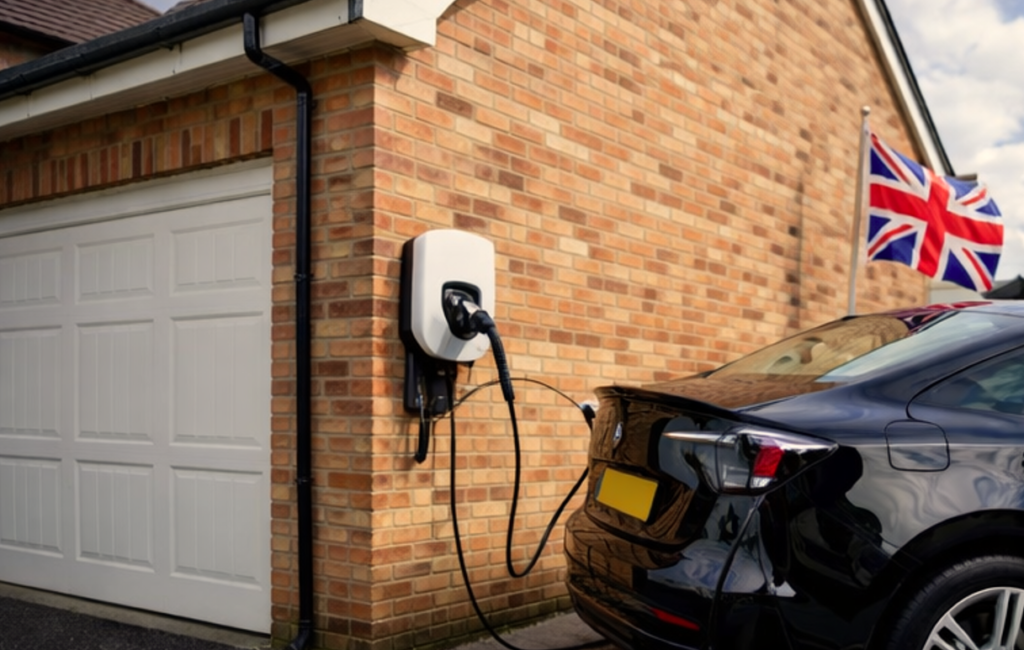
Because of this shift, EV Charger Installation has become one of the most common upgrades for UK homeowners. From London suburbs to rural Scotland, residential charging points are now being installed in garages, driveways, and private parking spaces.
Understanding the installation process, costs, and national regulations helps homeowners avoid delays and choose the right equipment from the start.
EV Charger Installation Cost in the UK
The first question most homeowners ask is simple.
How much does it cost to install a home charging point?
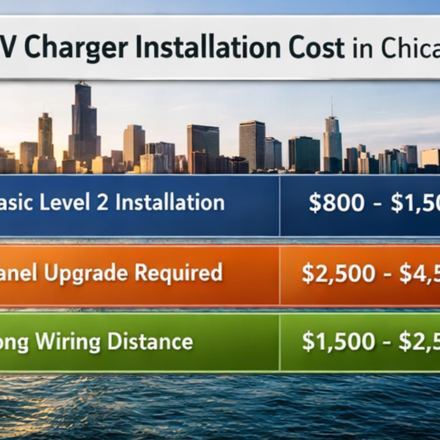
Prices vary depending on the property layout and electrical capacity, but the majority of installations fall within a predictable range across the UK.
| Installation Type | Average Cost (2026) |
|---|---|
| Standard wall charger installation | £900 – £1,300 |
| Installation with longer cable routing | £1,100 – £1,700 |
| Electrical panel upgrade required | £1,500 – £2,400 |
| Outdoor pedestal charger installation | £1,300 – £2,000 |
Several factors influence the final price.
Distance between the consumer unit and parking area can increase labour time. Older homes may also require electrical upgrades to support the additional load from a charging point.
Outdoor installations can require protective conduit and weather-rated mounting equipment.
Despite these costs, most drivers recover the investment quickly through lower electricity charging rates compared with public rapid chargers.
UK EV Charger Grants and Incentives
Government incentives remain one of the biggest reasons homeowners install residential charging units.
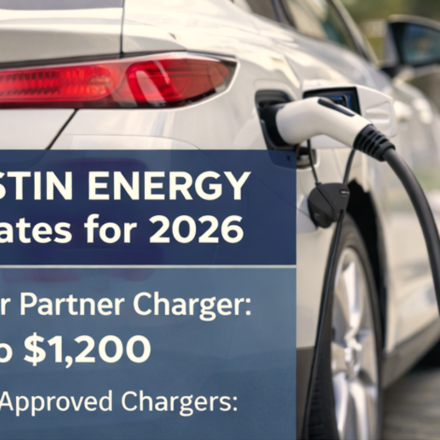
The primary program available in 2026 is the EV Chargepoint Grant, administered through the UK Office for Zero Emission Vehicles.
This program mainly supports:
- flat owners
- renters
- landlords installing chargers for tenants
Eligible installations can receive partial reimbursement for installation costs.
Some local councils also offer additional support programs for shared parking areas or apartment buildings.
Energy providers have also introduced EV-specific tariffs designed for overnight charging.
These electricity plans reduce charging costs during off-peak hours when grid demand is lower.
Drivers using these tariffs often charge their vehicles for significantly less than petrol or diesel costs.
EV Charging Growth Across the UK
The United Kingdom is now one of Europe’s leading EV markets. Vehicle registrations have increased every year as manufacturers release new electric models.
Read Also EV Charger Installation Birmingham in 2026
By 2026 the UK has more than two million electric vehicles on the road.
Government policy continues to drive this growth. The national strategy aims to eliminate new petrol and diesel vehicle sales by 2035.
Public infrastructure is expanding quickly to support this transition. Thousands of rapid charging stations are being installed across highways, retail parks, and city centres.
However, home charging remains the primary solution for daily use.
Most EV drivers perform the majority of their charging overnight using residential chargers.
This trend explains why home EV charger installation UK searches continue to increase each year.
How Home EV Charger Installation Works
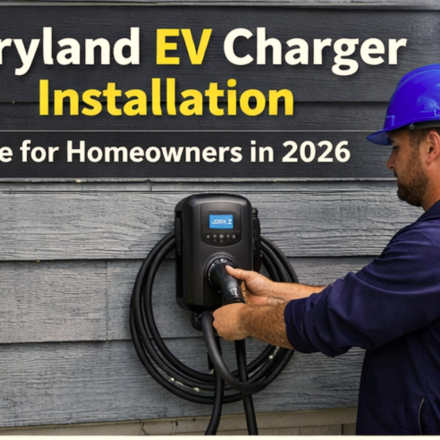
Most residential installations follow a simple process when performed by a certified electrician.
A dedicated circuit is connected from the household consumer unit to a wall-mounted charging unit located near the parking space.
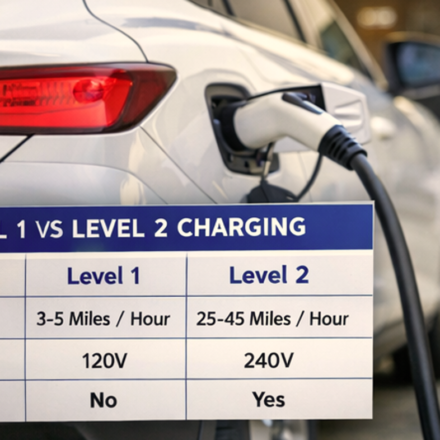
In the UK, the most common setup is a 7kW Level 2 charger.
This power level provides a full overnight charge for most electric vehicles.
Smart chargers have also become standard equipment. These units connect to home WiFi and allow drivers to control charging schedules through mobile apps.
Features often include:
- scheduled charging during off-peak electricity hours
- real-time charging monitoring
- integration with solar panels
- load balancing to protect household circuits
These systems help optimise energy use while keeping charging costs low.
National Electrical Rules for Charger Installation
Residential charging points must comply with strict electrical standards across the United Kingdom.
Installations are typically completed according to the BS 7671 IET Wiring Regulations. These standards ensure electrical safety and proper system grounding.
Also Read Electric vehicle chargepoint grants
A qualified EV charger electrician UK must install the system and perform required electrical testing.
Key safety requirements include:
- dedicated circuit protection
- earth fault protection
- surge protection when required
- safe cable routing and mounting
Many installers are registered with the OZEV authorised installer scheme. This certification allows them to complete installations under government grant programs.
Working with certified professionals ensures the system meets national safety rules and insurance requirements.
Future Proofing Your Home Charging Setup for 2026
Technology in the EV charging sector continues evolving quickly.
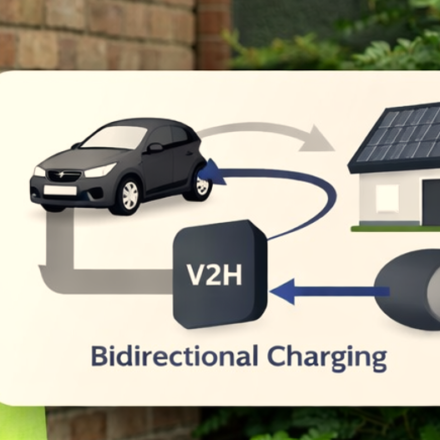
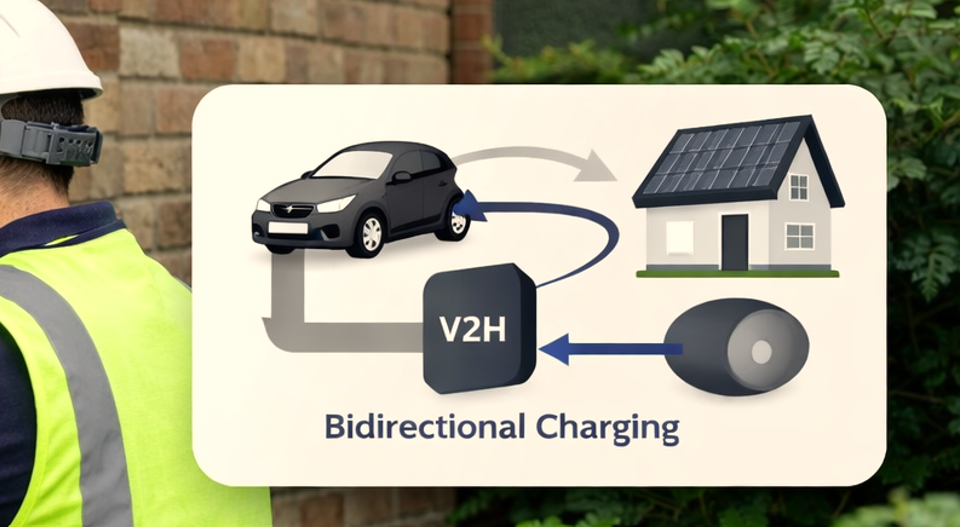
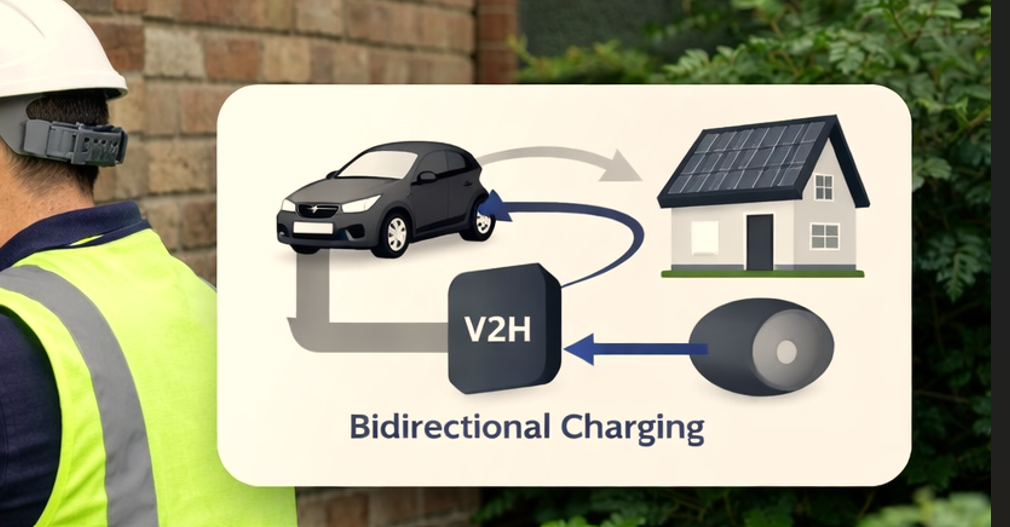
Many new chargers now support bidirectional charging. This feature allows electricity stored in the vehicle battery to power parts of the home during peak energy demand.
This system is commonly called Vehicle-to-Home or V2H charging.
While still developing, several UK charger manufacturers are beginning to support this technology.
Wireless EV charging is also being tested in some European pilot programs. However, wired charging points remain the standard solution for residential installations in 2026.
Homeowners installing chargers today often choose smart models that support future software upgrades. This approach ensures compatibility with future grid programs and energy tariffs.
Preparing Your Home for an Electric Future
Electric vehicles are rapidly becoming the new normal across the United Kingdom.
For homeowners, installing a residential charging point offers convenience, long-term savings, and greater energy independence.
With government incentives still available and electricity tariffs designed for EV charging, the cost of home charging continues to decrease.
Planning the installation early also prevents delays as demand grows across the country.
As EV adoption expands nationwide, home charging infrastructure will become as essential as broadband or home heating systems.