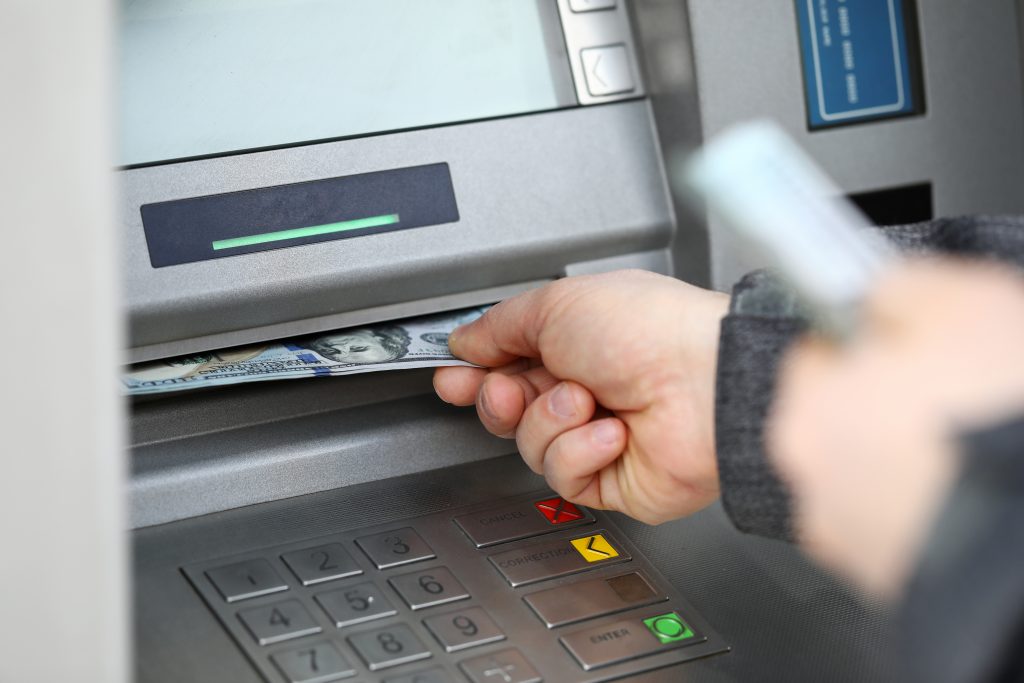
Cash handling is one of the most overlooked parts of the ATM business.
Many beginners think the ATM just runs on its own. but every machine requires physical cash loading, tracking, and management.
While simple in concept, cash handling introduces operational risks that must be managed carefully.
What Is Cash Handling in ATM Business?
Cash handling includes:
- Loading cash into ATM vault
- Collecting cash from bank
- Balancing settlement reports
- Monitoring cash levels
- Preventing shortages
It is the physical side of ATM operations.
Main Cash Handling Risks
1. Cash Shortage Risk
If the ATM runs out of cash:
- Transactions stop
- Income is lost instantly
- Customer trust decreases
This is called “downtime loss.”
2. Overloading Cash Risk
Keeping too much cash inside ATM increases:
- Theft exposure
- Security risk
- Insurance risk
Operators must balance efficiency and safety.
3. Human Error Risk
Cash mistakes include:
- Wrong loading amounts
- Miscounting cash
- Settlement mismatch
- Poor record keeping
Even small errors can create accounting issues.
4. Transportation Risk
Moving cash between bank and ATM introduces:
- Theft exposure during travel
- Loss risk
- Personal safety concerns
Why Cash Handling Matters More at Scale
With multiple machines:
- More cash movement
- More trips
- More complexity
At 10 machines, cash handling becomes a system, not a task.
How Operators Reduce Cash Handling Risk
Experienced ATM owners use:
1. Scheduled Refills
Instead of reacting, they plan refill cycles.
2. Cash Threshold Alerts
Machines notify when cash is low.
3. Route Optimization
Machines are refilled in batches.
4. Outsourced Cash Services
Armored services handle cash logistics at scale.
Final Thoughts
Cash handling is not dangerous when managed correctly, but it is not “zero effort” either.
The key risk is not the cash itself — it is poor management of cash flow and timing.
Good systems turn cash handling into a predictable routine instead of a stressful task.
