# ATM Theft Risks in 2026: What Every Operator Must Understand ATM theft is one of the biggest concerns for new ATM business owners, especially beginners who assume the machine will simply sit safely inside a store without any risk. In reality, ATM machines contain physical cash, and that alone makes them a target in certain environments. However, the actual risk is often misunderstood. Most ATM businesses do not face frequent theft — but when it does happen, the financial impact can be serious if the operator is not prepared. This guide explains how ATM theft happens, where the real risks are, and how experienced operators reduce exposure in 2026. --- ## How ATM Theft Actually Happens ATM theft is usually not sophisticated. It typically falls into three categories: ### 1. Smash-and-Grab Theft This is the most common type in poorly secured locations. Thieves attempt to: * Break into the ATM casing * Remove the cash vault * Load the machine into a vehicle These attacks usually happen at night in isolated or low-visibility areas. --- ### 2. Physical Break-In Attempts Some attackers try to force open the ATM using tools. They target: * Weak locks * Poor installation * Older machines without reinforcement Modern ATMs are significantly harder to break into, but older machines are more vulnerable. --- ### 3. Internal Access Fraud (Rare but Serious) In some cases, theft can happen from individuals with access to the machine. This includes: * Location staff misuse * Unauthorized key access * Contract disputes This is why proper agreements matter. --- ## Which ATM Locations Are High Risk? Not all locations carry equal risk. Higher risk locations include: * Isolated retail shops * Poorly lit streets * Areas without CCTV * Locations with no night staff * Machines placed outside buildings Lower risk locations include: * Busy convenience stores * Bars and restaurants with staff present * 24/7 monitored businesses * Locations with security cameras --- ## What ATM Operators Often Get Wrong Beginners usually underestimate theft risk because: * They assume the store owner is responsible * They think small towns are always safe * They ignore nighttime vulnerability * They skip insurance thinking “nothing will happen” The reality is that ATM security depends on placement, not luck. --- ## How to Reduce ATM Theft Risk Experienced operators follow strict safety rules: ### 1. Choose Indoor Placement Indoor ATMs are significantly safer than outdoor ones. ### 2. Install Security Anchors Machines should be bolted to the floor or wall. ### 3. Use CCTV Coverage Visible cameras discourage most theft attempts. ### 4. Avoid Remote Locations If no one is nearby at night, risk increases. ### 5. Keep Vault Cash Balanced Avoid overloading machines unnecessarily. --- ## Insurance and Protection Most operators carry: * General liability insurance * Equipment coverage * Theft protection policies While insurance does not prevent theft, it reduces financial damage significantly. --- ## Final Thoughts ATM theft is real but not common when machines are placed correctly. Most losses happen due to poor site selection, not the ATM business model itself. A properly installed ATM in a busy monitored location is far less risky than most beginners assume. The key is not avoiding risk completely — it is controlling it through smart placement and security discipline.

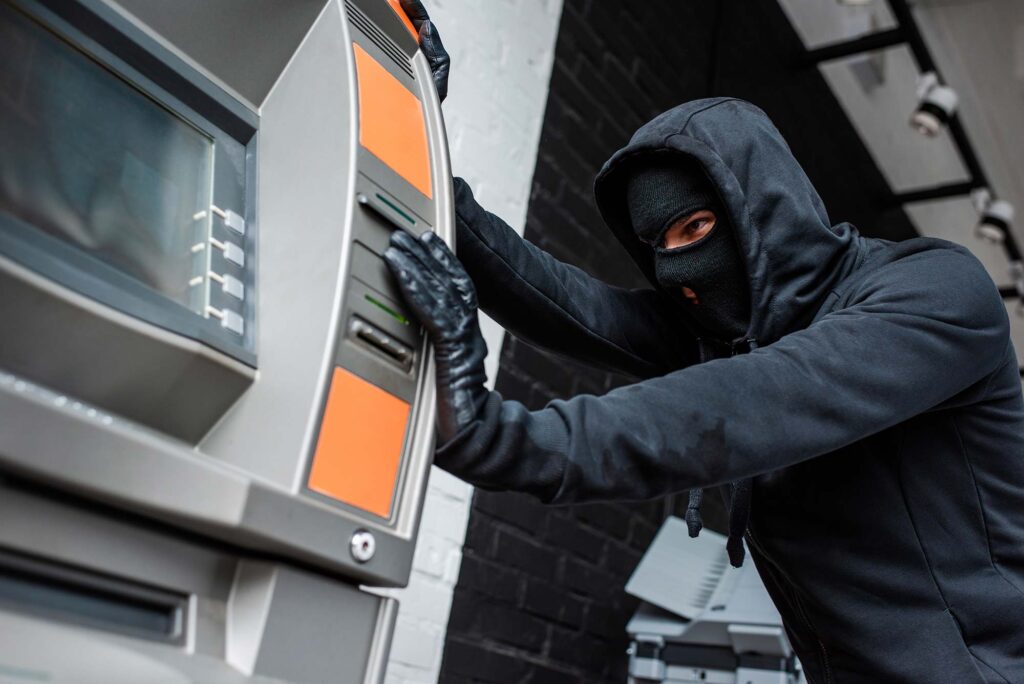
ATM theft is one of the biggest concerns for new ATM business owners, especially beginners who assume the machine will simply sit safely inside a store without any risk.

In reality, ATM machines contain physical cash, and that alone makes them a target in certain environments. However, the actual risk is often misunderstood. Most ATM businesses do not face frequent theft — but when it does happen, the financial impact can be serious if the operator is not prepared.

This guide explains how ATM theft happens, where the real risks are, and how experienced operators reduce exposure in 2026.

How ATM Theft Actually Happens

ATM theft is usually not sophisticated. It typically falls into three categories:

1. Smash-and-Grab Theft

This is the most common type in poorly secured locations.

Thieves attempt to:

  • Break into the ATM casing
  • Remove the cash vault
  • Load the machine into a vehicle

These attacks usually happen at night in isolated or low-visibility areas.


2. Physical Break-In Attempts

Some attackers try to force open the ATM using tools.

They target:

  • Weak locks
  • Poor installation
  • Older machines without reinforcement

Modern ATMs are significantly harder to break into, but older machines are more vulnerable.


3. Internal Access Fraud (Rare but Serious)

In some cases, theft can happen from individuals with access to the machine.

This includes:

  • Location staff misuse
  • Unauthorized key access
  • Contract disputes

This is why proper agreements matter.


Which ATM Locations Are High Risk?

Not all locations carry equal risk.

Higher risk locations include:

  • Isolated retail shops
  • Poorly lit streets
  • Areas without CCTV
  • Locations with no night staff
  • Machines placed outside buildings

Lower risk locations include:

  • Busy convenience stores
  • Bars and restaurants with staff present
  • 24/7 monitored businesses
  • Locations with security cameras

What ATM Operators Often Get Wrong

Beginners usually underestimate theft risk because:

  • They assume the store owner is responsible
  • They think small towns are always safe
  • They ignore nighttime vulnerability
  • They skip insurance thinking “nothing will happen”

The reality is that ATM security depends on placement, not luck.


How to Reduce ATM Theft Risk

Experienced operators follow strict safety rules:

1. Choose Indoor Placement

Indoor ATMs are significantly safer than outdoor ones.

2. Install Security Anchors

Machines should be bolted to the floor or wall.

3. Use CCTV Coverage

Visible cameras discourage most theft attempts.

4. Avoid Remote Locations

If no one is nearby at night, risk increases.

5. Keep Vault Cash Balanced

Avoid overloading machines unnecessarily.


Insurance and Protection

Most operators carry:

  • General liability insurance
  • Equipment coverage
  • Theft protection policies

While insurance does not prevent theft, it reduces financial damage significantly.


Final Thoughts

ATM theft is real but not common when machines are placed correctly.

Most losses happen due to poor site selection, not the ATM business model itself.

A properly installed ATM in a busy monitored location is far less risky than most beginners assume.

The key is not avoiding risk completely — it is controlling it through smart placement and security discipline.

Written by

ava

Business Model Analyst

Ava is a business model researcher at BusinessDiscovered, focused on breaking down the real numbers behind vending machines, laundromats, ATMs, car washes, and other cash-flow businesses. She has spent 10 analyzing equipment costs, location economics, and operating margins by cross-referencing industry data, distributor pricing, and operator-reported income. Ava work follows one rule: no business opportunity, machine, or franchise is ever promoted. Every breakdown is built on the same four-part framework — startup cost, operations, profit, and risk — so readers can compare any business model honestly before investing.

Disclaimer: Figures in this guide are estimates based on publicly available data and general market conditions. Always verify current numbers before making a financial decision. BusinessDiscovered does not sell machines, franchises, routes, or courses.

Leave a Comment

Your email address will not be published. Required fields are marked *