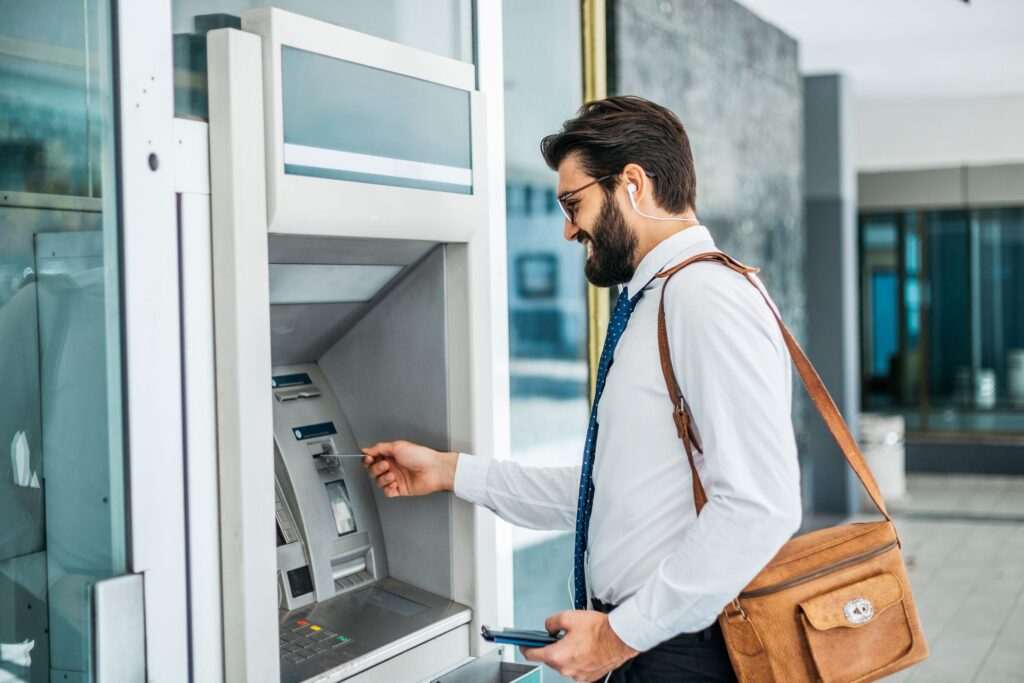
One of the first questions new ATM business owners ask is simple:
“Should I buy a new ATM or save money with a used one?”
The answer depends on your budget, your risk tolerance, and the type of location you plan to operate.
Many beginners focus only on upfront price. Experienced operators focus on long-term reliability, maintenance costs, downtime risk, and transaction stability.
A cheap ATM that constantly breaks can easily become more expensive than a quality new machine.
This guide explains the real cost of ATM machines in 2026, what beginners should expect to pay, the hidden expenses most sellers never mention, and whether used machines are actually worth the savings.
How Much Does an ATM Machine Cost in 2026?
ATM machine pricing varies widely depending on:
- Machine condition
- Brand
- Features
- Compliance standards
- Warranty coverage
- Cash capacity
- Connectivity hardware
In general, most ATM machines fall into three categories:
| Machine Type | Typical Price Range |
|---|---|
| Used / older ATM | $800 – $2,000 |
| Refurbished ATM | $1,500 – $3,000 |
| Brand-new ATM | $2,500 – $5,500 |
Premium units with advanced security features or high-capacity vaults can cost even more.
For most beginners, the realistic starting budget for a decent machine is around $2,000 to $3,500.
Why ATM Prices Increased in Recent Years
ATM hardware became more expensive after several industry-wide changes.
EMV Compliance Requirements
Modern ATMs must support EMV chip card transactions.
Older magnetic-stripe-only machines are largely obsolete and difficult to operate legally through many processors.
Machines without proper EMV capability should generally be avoided in 2026.
Windows 10 End-of-Life Upgrades
Many older ATMs relied on Windows-based operating systems.
Because Windows 10 support officially ends in October 2025, many older machines require expensive software upgrades or replacement hardware to remain secure and compliant.
This has pushed many operators toward newer equipment.
Increased Security Standards
Physical ATM attacks increased in some regions over the last several years.
Manufacturers responded by improving:
- Vault security
- Locking systems
- Encryption hardware
- Anti-skimming protection
- Remote monitoring capabilities
Modern machines cost more partly because they include better security technology.
Buying a Used ATM: Pros and Cons
Used ATMs attract beginners because of their lower upfront cost.
A decent used machine may cost less than half the price of a new unit.
But cheaper does not always mean better.
Advantages of Used Machines
Lower Startup Cost
The biggest advantage is obvious.
Spending $1,200 instead of $4,000 reduces the barrier to entering the business.
This allows some beginners to deploy multiple machines faster.
Faster Return on Investment
Lower machine cost means break-even may happen sooner if the location performs well.
A used machine earning $300 monthly can recover its cost quickly.
Good for Testing New Locations
Some operators intentionally place lower-cost machines in unproven locations first.
If the location underperforms, they move the machine elsewhere without risking major capital.
Problems With Used ATMs
Higher Repair Risk
This is the biggest issue.
ATM dispensers wear out over time. Keypads fail. Power supplies malfunction. Card readers break.
A used machine may appear fine initially but require expensive repairs within months.
Limited Warranty Protection
Many used machines come with little or no warranty.
Once something breaks, repair costs become your responsibility immediately.
Older Software Compatibility Issues
Some older machines struggle with newer processing requirements or security updates.
Software support may eventually disappear entirely.
Poor Cosmetic Appearance
Customers trust clean, modern-looking ATMs more than damaged or outdated units.
Appearance matters more than many beginners realize.
What Is a Refurbished ATM?
Refurbished machines sit between used and new.
These units are typically:
- Professionally cleaned
- Tested
- Updated
- Repaired where necessary
- Equipped with newer components
Many refurbished machines include limited warranties.
For beginners, a quality refurbished ATM from a reputable dealer often provides the best balance between affordability and reliability.
Buying a New ATM: Pros and Cons
New machines cost more upfront but reduce many operational headaches.
Advantages of New Machines
Warranty Coverage
Most new ATMs include warranties ranging from one to three years.
This reduces unexpected repair expenses early in the business.
Better Reliability
New hardware usually means fewer breakdowns, fewer service calls, and less downtime.
Downtime matters because every hour your ATM is offline means lost transactions.
Modern Security Features
New machines often include:
- Contactless withdrawal support
- NFC compatibility
- Advanced encryption
- Better anti-skimming systems
- Remote software updates
These features increasingly matter in 2026.
Improved Customer Trust
Customers tend to trust modern, clean equipment more than older machines with worn screens or damaged keypads.
Trust directly affects transaction volume.
Disadvantages of New Machines
Higher Startup Capital
The obvious downside is cost.
A beginner may need:
- $3,000–$5,500 for the machine
- Plus cash vault load
- Plus installation expenses
This can push first-machine investment above $7,000 total.
Slower Initial ROI
Because the upfront investment is larger, it takes longer to recover costs.
A location generating modest transaction volume may require 12–18 months to fully pay off a new machine.
The Hidden ATM Costs Most Beginners Forget
Machine price alone is not your total startup cost.
Several additional expenses surprise new operators.
Cash Vault Load
Every ATM requires working cash.
Most operators initially load:
- $2,000–$5,000 per machine
This is not a permanent expense because the money cycles back through settlement, but you still need the capital available upfront.
Wireless Connectivity
Most ATMs require:
- Cellular modem hardware
- Data service plans
- Router installation
Expect ongoing connectivity costs monthly.
Installation and Shipping
Heavy ATM machines are expensive to move.
Shipping and professional installation may cost several hundred dollars depending on location.
Processing Setup Fees
Some processors charge:
- Activation fees
- Monthly gateway fees
- Software licensing fees
Always confirm these before purchasing.
Replacement Parts
Even good machines eventually require:
- Receipt printers
- Rollers
- Locks
- Screens
- Keypads
- Dispenser maintenance
Repairs are part of the business long term.
Best ATM Brands in 2026
Several manufacturers dominate the independent ATM market.
Hyosung
One of the most popular ATM brands in North America.
Known for:
- Reliability
- Good software support
- Strong security
- Widely available parts
Many operators prefer Hyosung for long-term deployments.
Genmega
Common among independent operators because of affordability and decent reliability.
Popular for:
- Smaller businesses
- Convenience stores
- Beginner deployments
Triton
Triton machines are widely used and generally beginner-friendly.
They are known for:
- Simpler operation
- Reliable basic functionality
- Lower maintenance complexity
Should Beginners Buy New or Used?
For most beginners, the best option is usually:
A quality refurbished ATM from a reputable dealer.
Why?
Because it balances:
- Lower startup cost
- Better reliability
- Updated compliance
- Warranty protection
The cheapest used machine available online is rarely the smartest choice.
Saving $1,000 upfront is not worth constant downtime or expensive repairs later.
How to Avoid Bad ATM Sellers
The ATM industry has legitimate dealers — and questionable ones.
Be cautious of sellers promising unrealistic income projections or “guaranteed passive income.”
Good dealers should clearly explain:
- Warranty terms
- Processor compatibility
- Compliance status
- Software version
- Parts availability
- Support options
Always ask for machine model numbers and maintenance history before purchasing used equipment.
Final Thoughts
ATM machine cost is more than just the sticker price.
The real question is:
“How much reliability are you buying?”
A profitable ATM business depends heavily on uptime. Machines that constantly fail lose transactions, frustrate customers, and damage relationships with location owners.
In 2026, most successful operators prioritize:
- Compliance
- Reliability
- Security
- Long-term support
Over simply finding the cheapest machine possible.
For beginners, a professionally refurbished ATM usually provides the strongest balance between affordability and operational stability.
The machine itself will not make your business successful.
But the wrong machine can absolutely make it fail.
