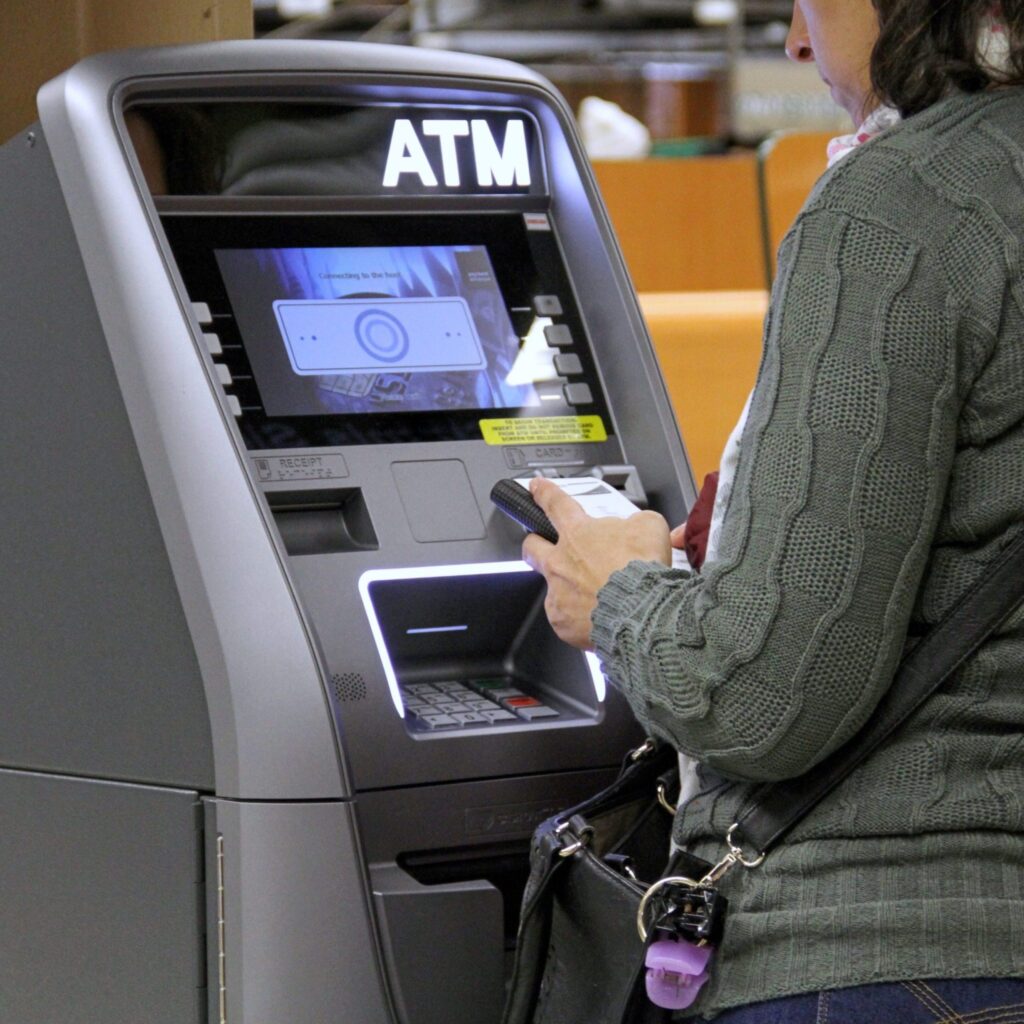
Finding the right ATM location is the difference between a machine that earns $500 per month and one that barely covers its electricity bill.
Most ATM businesses fail for one reason: bad placement.
The machine itself rarely matters. The processor matters a little. The surcharge fee matters somewhat. But location controls almost everything — transaction volume, profitability, refill frequency, and long-term income stability.
In 2026, profitable ATM placement is more competitive than it was five years ago. Many obvious locations already have machines installed. Cash usage is changing. Some areas are becoming increasingly cashless while others still depend heavily on physical cash transactions.
The good news is that opportunities still exist for operators who understand what actually makes a location profitable.
This guide explains how experienced ATM operators evaluate locations, what numbers matter most, which businesses perform best, and how beginners can secure profitable placements without wasting money on weak sites.
Why Location Matters So Much in the ATM Business
An ATM machine earns money only when people withdraw cash.
If a location has low foot traffic or customers rarely use cash, your machine may generate fewer than 50 transactions per month. That usually is not enough to create meaningful profit after processing costs and location commissions.
A strong location, however, can generate 200 to 500 monthly transactions consistently for years.
That is why experienced operators spend more time finding locations than buying machines.
A mediocre machine in a great location will outperform a premium machine in a weak location almost every time.
The Minimum Transaction Goal
Most operators use a simple rule before placing a machine:
A location should realistically support at least 150 withdrawals per month.
At a $3 surcharge, 150 monthly transactions creates roughly:
- $450 gross surcharge revenue
- Minus processor fees
- Minus location commission
- Net profit around $200 to $350 monthly
Anything significantly below this level becomes difficult to scale.
A machine earning only $50 monthly still requires maintenance, cash loading, monitoring, and travel time. Low-performing locations consume effort without producing strong returns.
What Makes a Great ATM Location?
The best ATM locations usually have four things in common:
1. Strong Foot Traffic
More people means more potential transactions.
Busy locations naturally produce more ATM usage. But traffic alone is not enough. You also need the right type of customer behavior.
For example, a crowded Apple Store may produce fewer ATM transactions than a smaller neighborhood bar because customers there primarily pay with cards.
2. Cash-Oriented Customers
This matters more than total traffic.
Businesses where customers frequently use cash create the strongest ATM demand.
Examples include:
- Bars and nightclubs
- Cannabis dispensaries
- Convenience stores
- Laundromats
- Food trucks
- Flea markets
- Festivals
- Small independent retailers
- Gaming lounges
- Nail salons
- Tattoo shops
People already expecting to use cash are far more likely to withdraw money onsite.
3. Limited Nearby ATM Competition
If customers already have access to a free ATM nearby, transaction volume drops sharply.
Before placing a machine, check:
- Nearby bank ATMs
- Existing independent ATMs
- Cash-back options at checkout
- Free in-store ATMs
The fewer alternatives customers have, the better your machine performs.
4. Businesses With Longer Customer Dwell Time
Locations where customers stay longer generally perform better.
Someone spending 90 minutes at a bar or laundromat has more time and reason to use an ATM compared to someone quickly entering and leaving a pharmacy.
Longer visits increase impulse withdrawals.
Best ATM Locations in 2026
Some placement categories consistently outperform others.
Cannabis Dispensaries
Dispensaries remain one of the strongest ATM opportunities in the United States.
Many cannabis businesses still operate heavily in cash due to banking restrictions. Customers often arrive expecting to withdraw money onsite.
Strong dispensary locations regularly exceed 400 monthly transactions.
Competition is also intense because experienced operators understand the value of these placements.
Bars and Nightclubs
Busy nightlife venues generate excellent ATM usage.
Customers frequently overspend, split tabs, or need extra cash late at night when banks are closed.
Weekend transaction volume alone can make these locations highly profitable.
Convenience Stores
Convenience stores remain reliable ATM locations because customers often make small purchases and need quick access to cash.
Twenty-four-hour stores perform especially well.
A well-positioned convenience store ATM can generate stable long-term income with relatively predictable traffic.
Laundromats
Laundromats continue to work surprisingly well for ATM operators.
Many laundromats still use coins or cash-operated machines. Customers often arrive without enough bills or coins and need immediate access to cash.
Twenty-four-hour laundromats are especially valuable because ATM demand continues overnight.
Festivals and Temporary Events
Short-term placements can generate massive transaction volume over a few days.
Concerts, fairs, food festivals, and sporting events often produce hundreds of transactions quickly.
Temporary placements require logistics planning but can outperform permanent locations during peak periods.
Locations to Avoid
Not every busy business makes a good ATM location.
Some categories consistently underperform.
Office Buildings
Modern office workers rely heavily on digital payments.
Even high-traffic office lobbies often produce weak ATM usage because employees rarely need cash during the workday.
High-End Retail
Luxury shoppers tend to use cards almost exclusively.
Foot traffic may look impressive, but ATM usage often remains low.
Locations Near Banks
Competing directly against bank-owned ATMs is extremely difficult.
Customers naturally prefer free withdrawals when available nearby.
Businesses With Mostly Online Payments
If a business already processes nearly all transactions digitally, ATM demand becomes limited.
Always ask the owner how customers typically pay before placing a machine.
How to Evaluate a Location Before Installing
Experienced operators never guess.
They gather real information first.
Ask About Customer Traffic
Important questions include:
- How many customers visit daily?
- What are peak hours?
- What days are busiest?
- Are sales seasonal?
- Do customers use cash regularly?
Many business owners willingly share rough traffic estimates.
Visit During Busy Hours
Never evaluate a location during slow periods only.
Visit:
- Friday evenings
- Weekend afternoons
- Late-night hours for bars
- Peak laundry times
- Event rush periods
Watching real customer behavior reveals more than estimates.
Check Nearby Competition Personally
Walk the surrounding area.
Look for:
- Existing ATMs
- Bank branches
- Grocery store cash-back signs
- Nearby gas station ATMs
Google Maps helps, but physical observation is better.
Analyze Customer Demographics
Cash usage varies significantly by demographic.
Some neighborhoods still rely heavily on cash. Others operate almost entirely cashless.
Lower-to-middle-income areas often maintain stronger ATM demand than affluent suburban zones.
How to Approach Business Owners
Many beginners struggle here unnecessarily.
Business owners care about one thing:
“How does this help my business?”
The best pitch is simple.
Explain that:
- Customers spend more when cash is available
- The ATM increases convenience
- The owner earns passive commission revenue
- Installation requires minimal effort from them
Avoid overcomplicated sales presentations.
Most operators either offer:
- Flat monthly rent
- Percentage of surcharge revenue
- Combination of both
Revenue sharing around 20% is common for decent locations.
Premium locations may demand more.
Red Flags That Usually Signal a Bad Location
Avoid placements showing these warning signs:
- Empty parking lots
- Minimal evening traffic
- Multiple nearby ATMs
- Customers primarily paying by app
- Poor lighting or security concerns
- Businesses with unstable ownership
- Low operating hours
- Frequent nearby business closures
Bad locations rarely improve later.
It is usually smarter to relocate quickly than hope transaction volume eventually increases.
Why Some ATM Operators Scale Successfully
The best ATM businesses focus on location quality rather than machine quantity.
Five excellent locations outperform twenty weak ones.
Experienced operators often spend months prospecting before adding new machines because they understand long-term profitability depends entirely on placement quality.
The real business is not “owning ATMs.”
The real business is securing high-performing locations before competitors do.
Final Thoughts
The ATM business in 2026 is still viable, but location selection has become the defining skill.
A profitable ATM operator is essentially a location scout.
The machine itself is only the tool.
Strong ATM placements usually share the same characteristics:
- Consistent foot traffic
- Cash-heavy customers
- Limited competition
- Long customer dwell time
- Reliable business operations
Beginners who focus on these fundamentals dramatically improve their odds of building a profitable ATM route.
The operators who fail usually rush placement decisions, choose locations based on convenience, or underestimate how much transaction volume matters.
In the ATM business, location is not just important.
It is almost everything.
